Precision Durability, Zero-Defect Reliability, Universal OEM Integration—Keeping Machinery Operational Worldwide.
In modern industrial hydraulic systems, the Custom Pressure Control Valve acts as the fundamental safeguard and flow regulator across high-load fluid power circuits. Whether managing peak pressure spikes in heavy construction machinery, stabilizing pilot control lines in agricultural harvesters, or maintaining consistent pressure differentials in mining rigs, pressure control valves (PCVs) are indispensable. As global equipment manufacturers shift toward higher energy efficiency, digital integration, and extreme operational tolerance, the sourcing of custom-engineered pressure valves has transitioned from a standard purchasing decision to a critical strategic partnership.
Pressure control valves regulate system fluid pressure to perform specific control functions, preventing dynamic over-pressurization, providing sequence operations, maintaining set reduced pressures, or counterbalancing external gravitational loads. The primary mechanical classifications include:
Relief valves establish maximum operational limits by diverting excess pressurized fluid back to the reservoir once a pre-set threshold is exceeded. Direct-acting relief valves provide ultra-fast transient responses for low-flow applications, while pilot-operated valves utilize a two-stage poppet-and-spool design to handle massive flow rates with minimal pressure override, delivering exceptional stiffness and system stability under dynamic shock loads.
Designed to maintain a constant secondary lower pressure regardless of inlet pressure fluctuations, pressure reducing valves protect sensitive downstream actuators, electronic hydraulic control blocks, and braking control systems. Modern custom configurations integrate sub-micron finished spools to eliminate internal leakage and hysteresis.
Essential for vertical load retention in hydraulic excavators, cranes, and aerial work platforms, counterbalance valves create dynamic backpressure to prevent runaway loads. Advanced custom designs feature proportional pilot ratios, thermal relief bypassing, and corrosion-resistant cartridge housings capable of surviving hostile maritime or mining conditions.
Sequence valves direct hydraulic fluid to secondary sub-circuits only after a primary circuit achieves a predefined pressure setpoint. Unloading valves allow high-displacement pumps to idle at negligible pressure during non-working cycles, dramatically reducing total system heat generation and parasite engine load.
Global procurement directors within the agricultural, construction, mining, and commercial vehicle sectors are navigating a rapidly restructuring global market. Supply chain fragility, fluctuating raw material costs, and stringent emissions mandates (such as Stage V and Tier 4 Final) have fundamentally reshaped procurement criteria for fluid power equipment:
1. Shift Toward Total Cost of Ownership (TCO): Procurement strategy has evolved beyond initial component purchase price. Global Tier-1 equipment manufacturers now evaluate vendors based on valve life-cycle longevity, resistance to hydraulic fluid cavitation, thermal stability, and low failure rates (measured in Parts Per Million - PPM). A premature valve failure in an offshore mining truck or high-capacity combine harvester causes downtime costs that dwarf the initial price of the valve.
2. Demand for Custom Cartridge Valve Solutions: Compact manifold integration (Screw-in Cartridge Valves - SiCV) has replaced traditional line-mounted valves. Custom cartridge pressure control valves allow hydraulic system designers to consolidate dozens of pressure, flow, and directional functions into a single aluminum or ductile iron manifold block. This drastically reduces hydraulic hose leak points, system footprint, and assembly labor.
3. Strict Hysteresis & Flow Characterization Tolerance: Modern electronic hydraulic systems require tight dynamic valve response curves. Custom valve manufacturing must deliver tight spring tolerance matching, micro-finished bore honed surfaces, and custom-calibrated cracked-pressure tolerances within ±2% of nominal specification.
China’s fluid power manufacturing ecosystem has undergone a profound transformation. Moving far beyond high-volume standardized parts, leading OEM/ODM manufacturing hubs—such as Chengdu West Industry Co., Ltd. (CWL)—leverage cutting-edge Industry 4.0 automation, advanced metallurgy, and strict process control to supply world-class hydraulic components.
Key technological advantages of China's advanced valve production facilities include:
CHENGDU WEST INDUSTRY CO., LTD (CWL), located in Chengdu—the primary engineering hub in southwest China—is a premier manufacturer and international export enterprise renowned for high-tech machinery parts, specialized hydraulic assemblies, and rigorous engineering excellence.
Created by a elite team of senior mechanical engineers and international supply chain specialists—each bringing over 10 to 19 years of practical field experience—CWL delivers comprehensive OEM & ODM solutions. Our core focus spans specialized fluid control components, transmission systems, bearings, and heavy-duty replacement hardware tailored specifically for agricultural machinery, mining equipment, construction machinery, and commercial automotive fleets.
CWL holds strict ISO 9001:2015 Quality Management Assurance credentials, operating under a total quality philosophy that guarantees absolute traceability, zero-defect incoming material control, dynamic continuous manufacturing auditing, and precision packaging standards for global delivery.

CWL devotes itself to the comprehensive trade and custom manufacturing of heavy machinery parts across vital operating sub-systems:
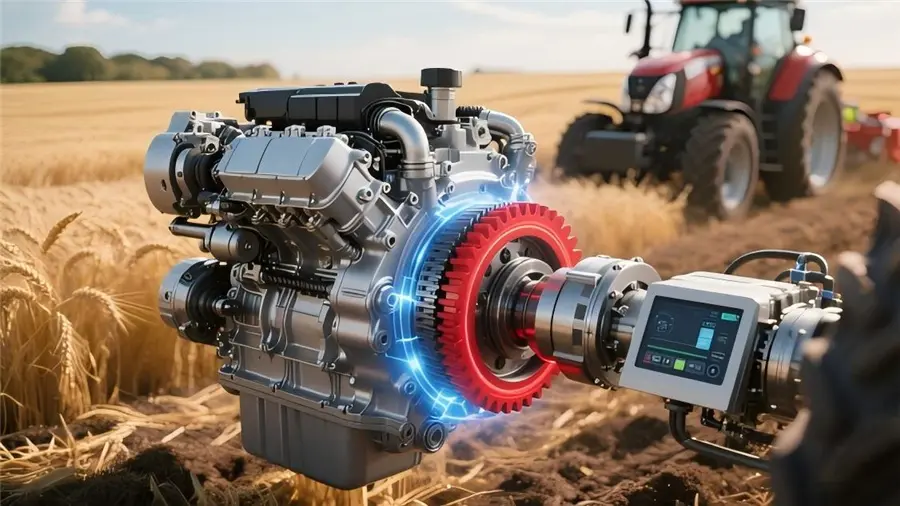
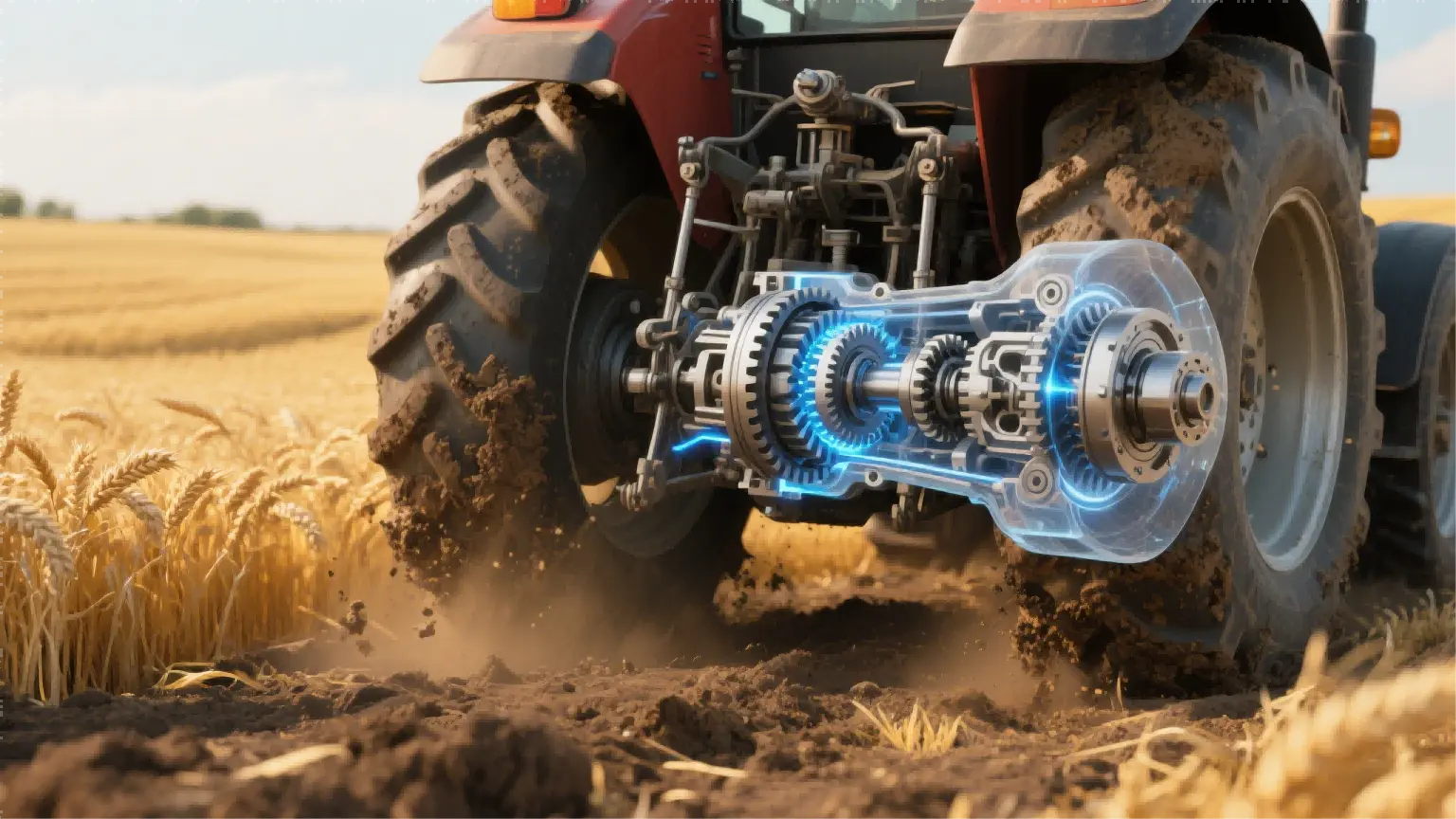
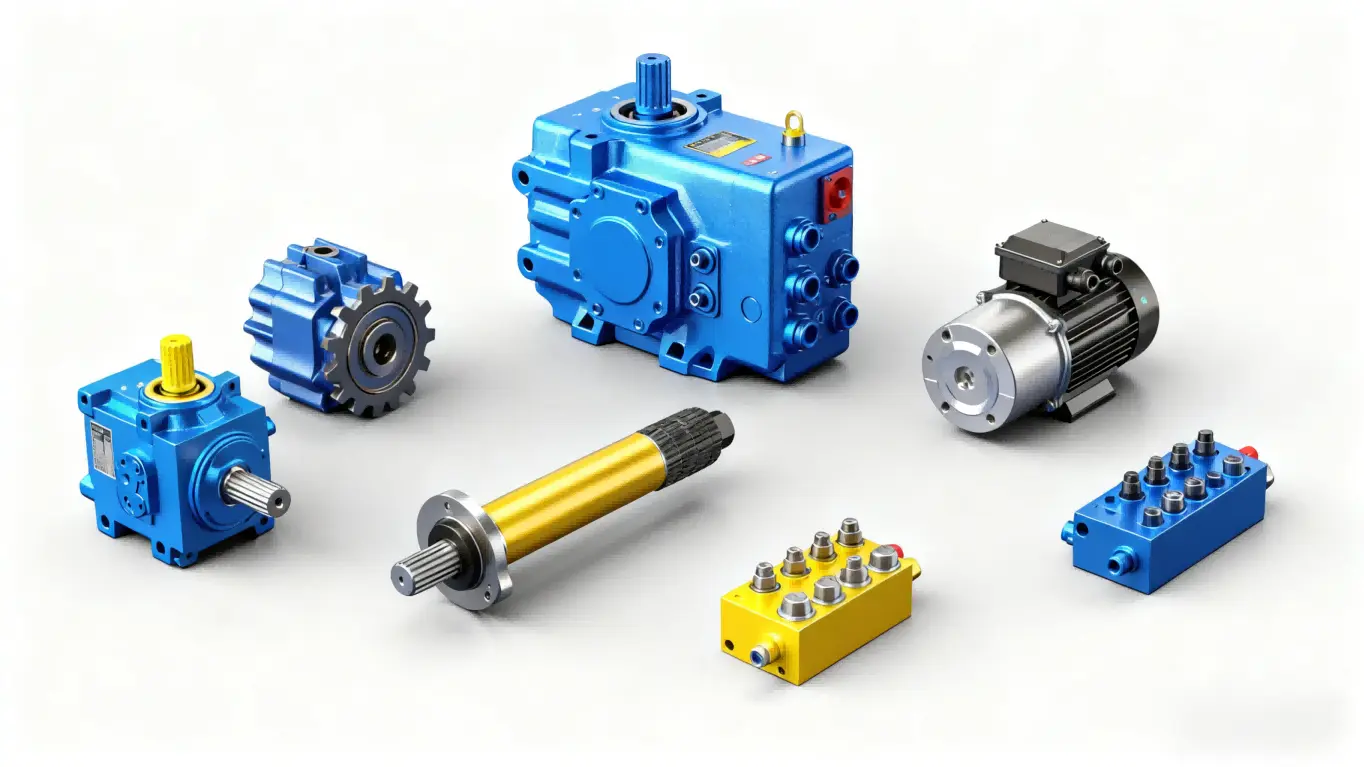
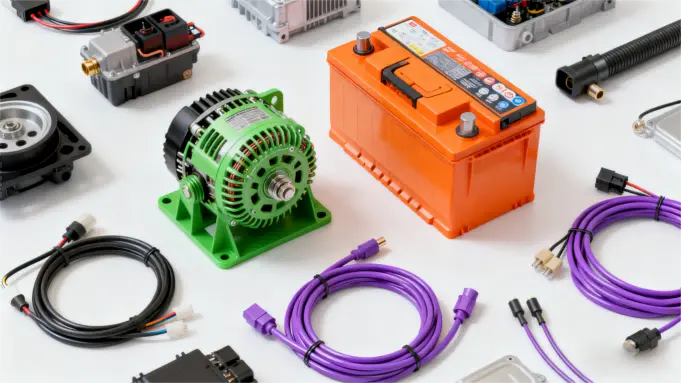

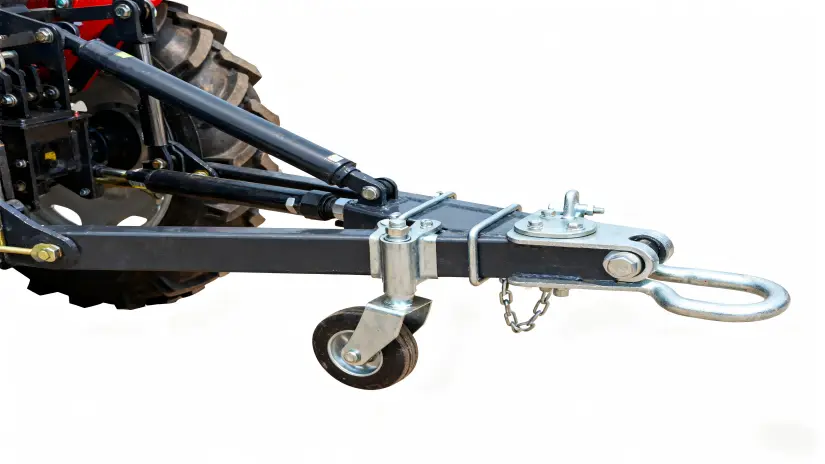
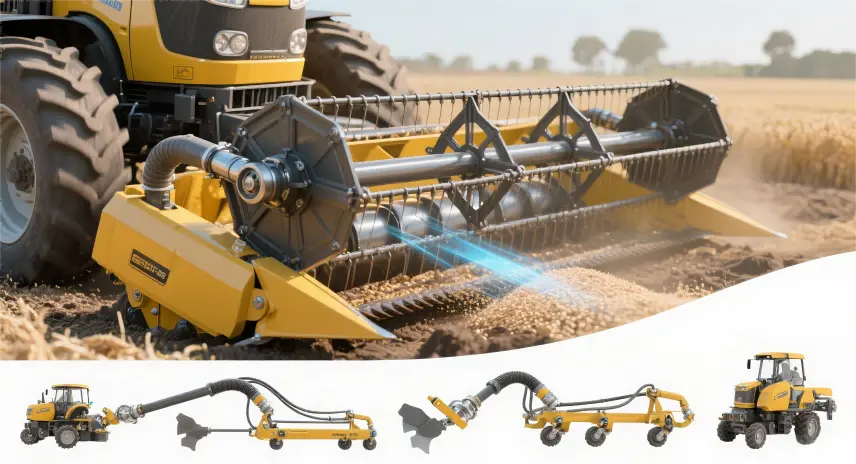
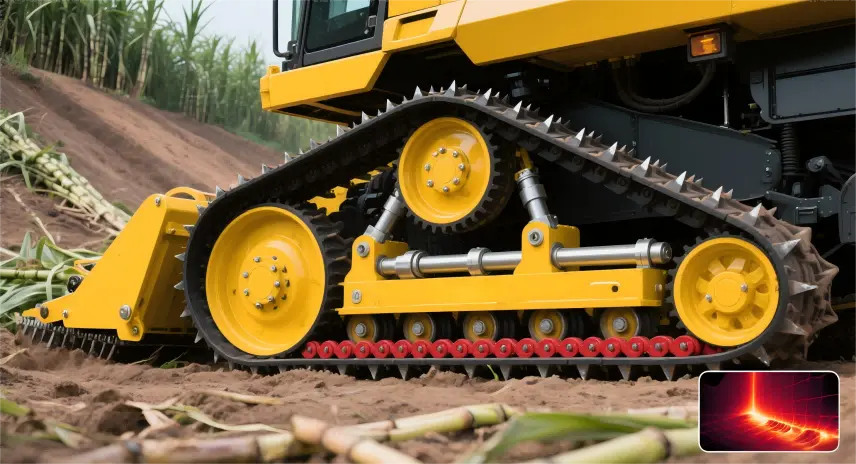
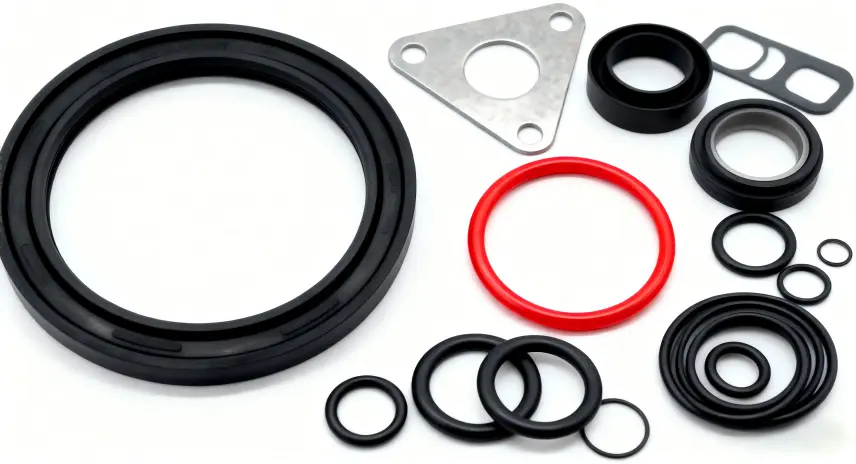
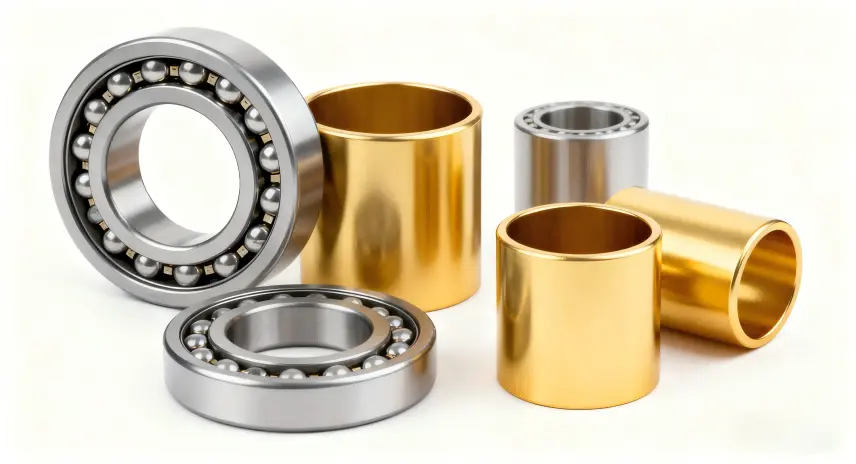
CWL is committed to sustainable trade practices, high-precision engineering, flexible production scaling, and responsive technical support.

Efficiently adapt to both specialized small-batch prototype development and large-scale mass production runs. Controlled overhead costs and stable production efficiency during fast tooling switching.

From raw material spectroscopic analysis to in-line precision grinding and final hydrostatic valve testing, rigorous inspections are conducted across all production phases ensuring robust compliance.

Rapid technical response and professional engineering diagnosis. Comprehensive warranty coverage, rapid spare parts fulfillment, and dedicated application consulting for continuous operations.
A core strength of CWL lies in our total OEM & ODM customization capability. Leveraging strong partnerships with specialized manufacturing facilities, we tailor valve dimensions, spool geometry, cracking pressure setpoints, seal materials (FKM, NBR, EPDM), and surface plating to your exact engineering drawings.
Custom pressure control valves, hydraulic couplers, and precision power transmission components engineered by CWL perform critical tasks across heavy industrial sectors worldwide:
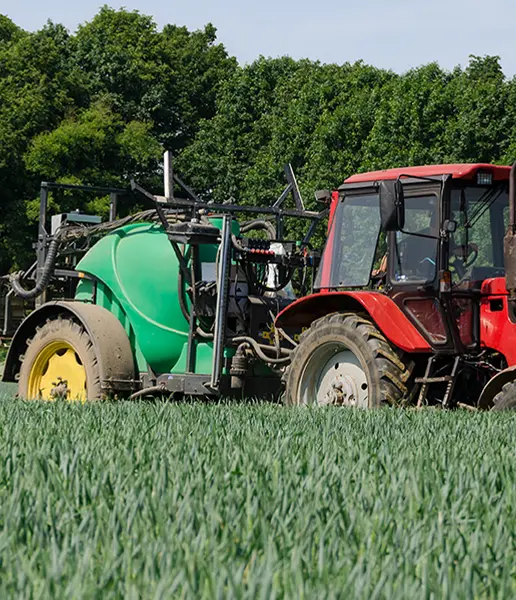
Direct integration into combine harvesters, tractors, and spraying equipment (compatible with John Deere, CNH, Claas). Regulates header height hydraulics, steering power circuits, and fuel system bypass pressure.
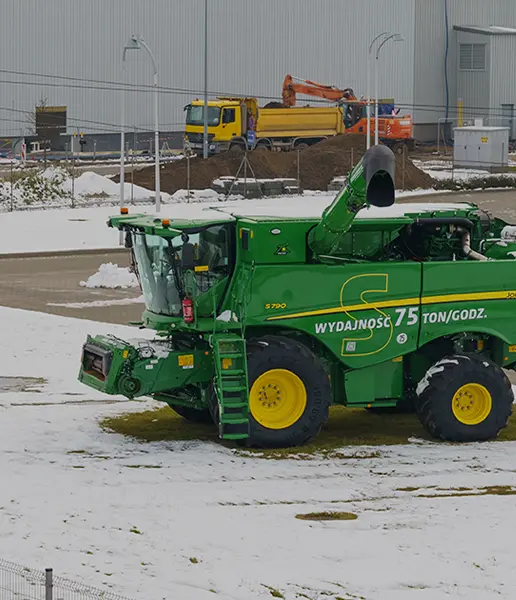
Heavy-duty hydraulic control for excavators, skid steer loaders (Bobcat compatible), backhoes, and wheel loaders. Manages boom relief pressure, quick-coupler engagement, and track drive brake release.
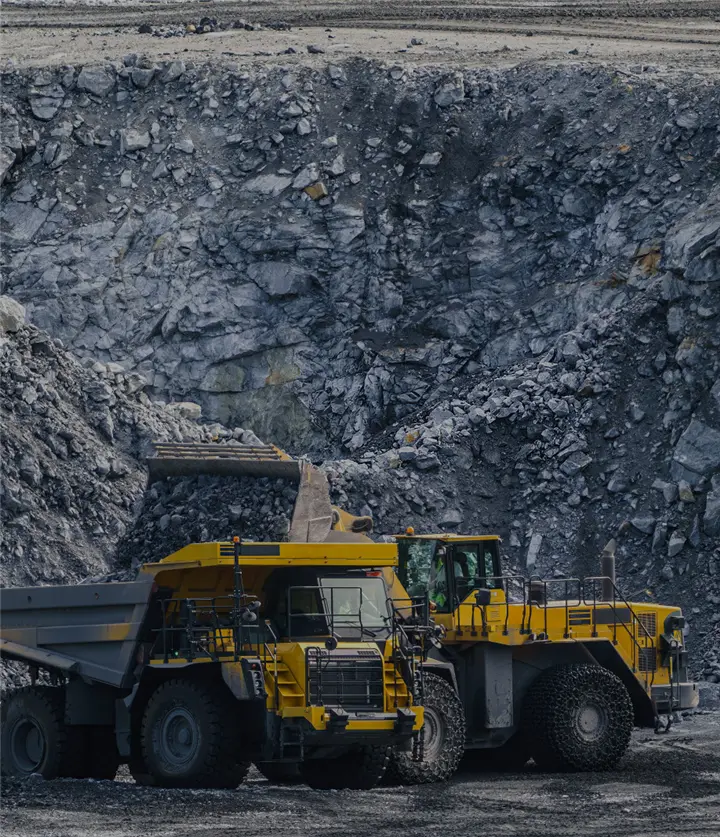
Extremely robust counterbalance and pressure unloading valves for underground mining rigs, crushers, and haulers operating under severe shock loads, extreme dust, and wide ambient temperature swings.

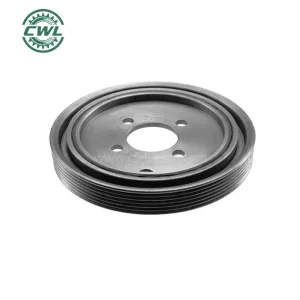
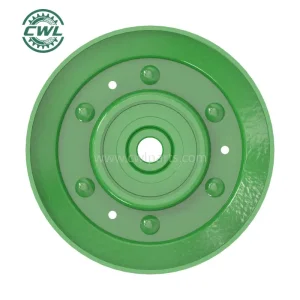
Engine pulleys, fuel pressure regulators, floating seals, and hydraulic steering valves for commercial trucks, trailers, and passenger vehicle engines (such as Peugeot/Citroën EW10J4 platforms).
Stay informed with CWL’s latest engineering releases, component breakthroughs, and global hydraulic market trends.
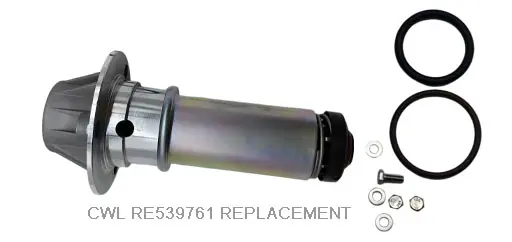
CWL officially released the RE539761 electronic fuel pump replacement part. Featuring convenient replacement, high efficiency, and universal compatibility, it precisely meets aftermarket needs for engineering equipment.
Read Full Insight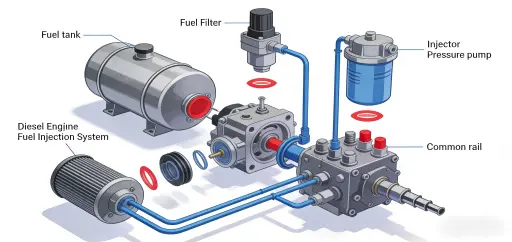
A comprehensive breakdown of solenoids, fuel delivery nozzles, needle valve clearances, and high-pressure direct injection systems operating under modern compressed air cylinders.
Read Full Insight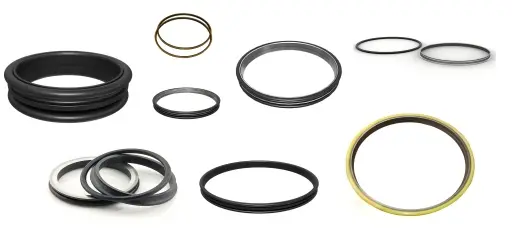
As global construction equipment enters maintenance cycles, demand for durable floating seals in excavators, bulldozers, and loaders drives material innovation and supply chain shifts.
Read Full InsightDetailed engineering answers regarding custom pressure control valve specification, customization options, manufacturing tolerances, and ordering workflows.
To deliver an optimal custom valve solution, our engineering team requires: (1) Target Operating Pressure Range & Cracking Pressure Setpoint, (2) Maximum Flow Rate (L/min or GPM), (3) Hydraulic Fluid Media & Viscosity, (4) Operating Temperature Range (-40°C to +120°C), (5) Manifold Mounting Interface (Screw-in cartridge thread size or subplate pattern DIN/ISO standard), and (6) Desired Hysteresis & Response Time specs.
CWL utilizes high-precision CNC spring coiling with automated load testing to ensure exact spring rate consistency. Furthermore, every valve spool and housing body undergoes internal honing and matching to maintain micro-clearances. 100% of finished valves undergo automated hydraulic fluid bench testing where cracking pressure, re-seat pressure, and leakage are digitally recorded before shipment.
Direct-acting pressure relief valves rely directly on system pressure pushing against an internal spring to open the poppet. They are fast-acting, compact, and ideal for low-flow or surge protection. Pilot-operated relief valves use a small pilot stage to control a larger main spool; they handle significantly higher flow rates with minimal pressure override (rise in pressure above set cracking pressure as flow increases) and provide smoother control in high-power hydraulic systems.
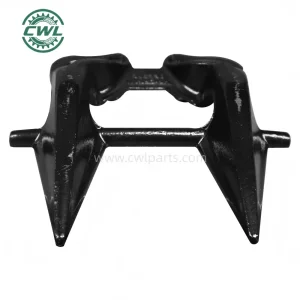
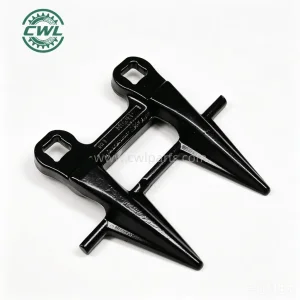
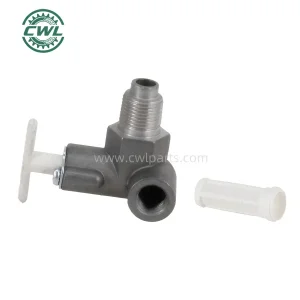
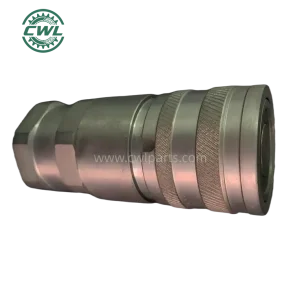
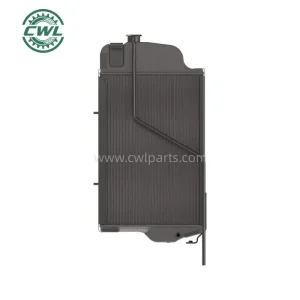
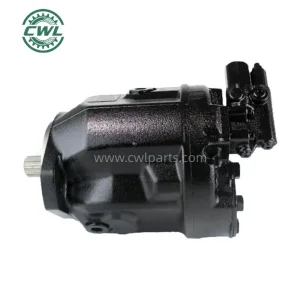
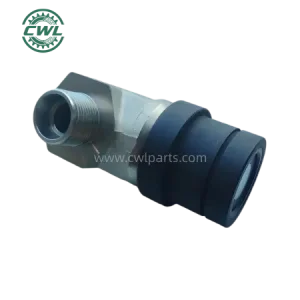
Yes. CWL specializes in reverse-engineering and manufacturing direct OEM-compatible replacement parts—including fingers, hydraulic quick disconnect couplers, fuel shut-off valves, radiators, and gear/piston pumps—engineered to meet or exceed original equipment physical, mechanical, and operational parameters.
Custom engineering prototypes typically require 2 to 4 weeks depending on tooling and raw material metallurgical specifications. Once sample validation is approved by the client, standard mass-production runs are delivered within 3 to 5 weeks from our Chengdu logistics hub.
Explore our extended inventory of OEM/ODM agricultural, construction, and automotive machinery parts.
 WEST INDUSTRY