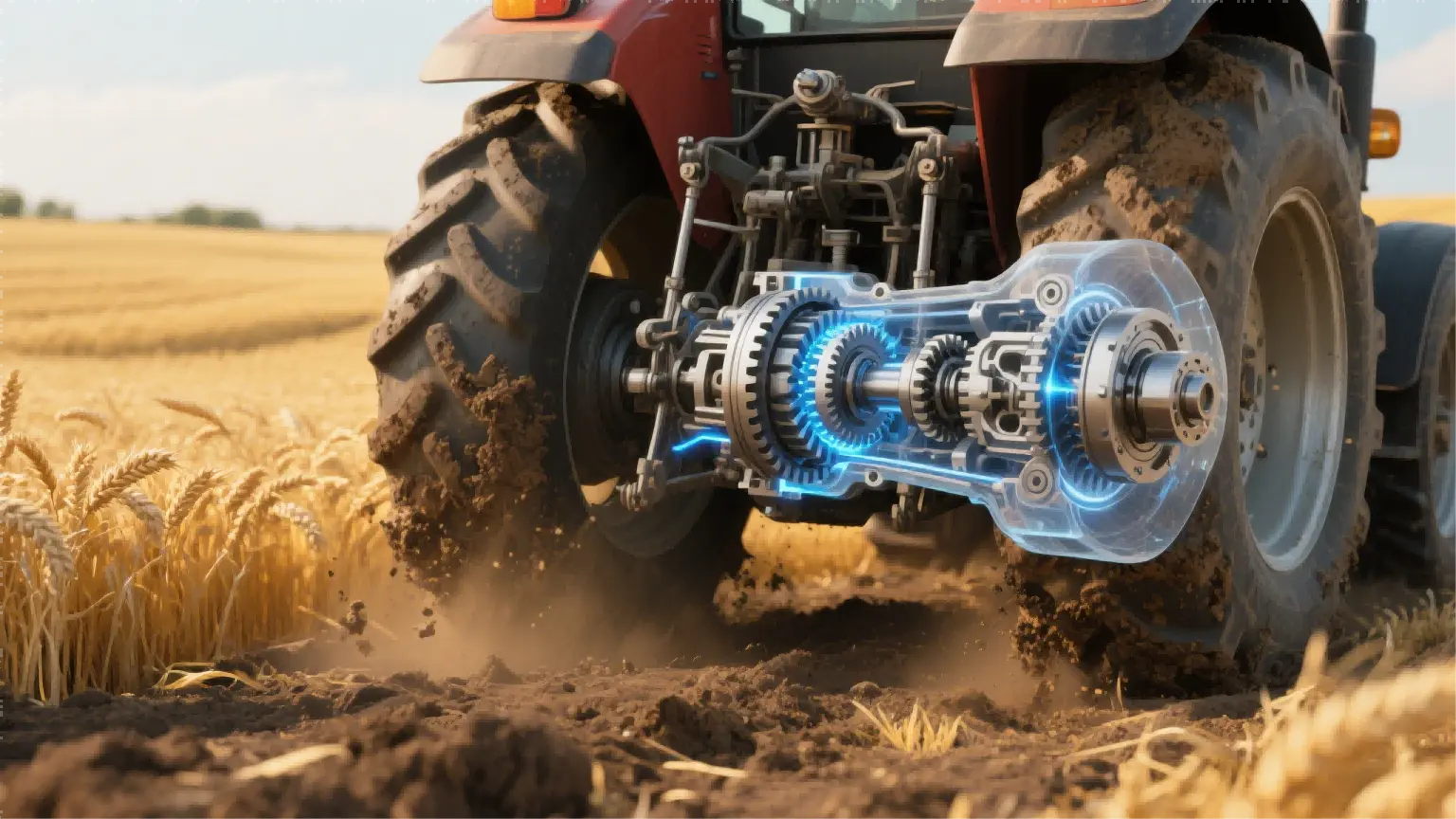
Explore our premium grade aftermarket replacements designed to keep mechanical systems operating at peak performance under high pressure.
Navigating Wear Resistance, Supply Chain Predictability, and Total Cost of Ownership (TCO) in Forage Harvester Components
In modern agricultural machinery maintenance, Kernel Processor Rolls (KP Rolls) are the most heavily fatigued wear components within forage harvesters. Large-scale farming collectives, machinery dealerships, and agricultural contractors worldwide face an ongoing dilemma: maintaining high processing throughput while controlling operating costs. The global demand for wholesale kernel processor rolls has grown significantly, driven by the expansion of the livestock and dairy industries, which require high-quality silage to maximize milk yields and bovine feed efficiency.
Procuring raw materials and specialized replacement parts at a wholesale level demands an understanding of metallurgy and wear dynamics. Standard steel rolls quickly dull when exposed to silica-rich crops, abrasive dust, and soil contaminants. High-volume buyers require parts with verified hardness metrics (typically ranging from 58 to 65 HRC) and premium surface coatings like tungsten carbide or hard chrome plating to extend operational life, minimize harvest downtime, and lower cost-per-acre metrics.
Engineered Metallurgy, Custom Tooth Profiles, and Wear Prevention Technology
To improve crop processing performance, manufacturers must focus on both compressional crushing and differential shear. The rollers operate at speed differentials ranging from 20% to 50% relative to one another. This differential tears the crop fiber while cracking the kernels, making the starches accessible to rumen bacteria. Below is an engineering overview of the wear-prevention technologies and custom tooth profiles used in modern production lines:
Forged from carbon-alloy steel grades (such as 1045 or 4140), our processing rolls undergo full-body tempering to guarantee structural stability, preventing shaft fractures under severe torsional stress and structural load shifts.
We apply advanced induction hardening combined with multi-layer tungsten carbide coatings (cladding). This creates a self-sharpening wear pattern that keeps the tooth peak sharp as the body wears.
We manufacture diverse tooth counts (80, 110, 130, 145 teeth, or custom combinations) and geometries (sawtooth, helical, spiral) designed specifically to handle different dry matter levels and crop lengths.
Our engineering roadmap focuses on developing lighter roll cores that reduce dynamic inertia and bearing load without sacrificing surface strength. By refining thermal spray processes, we achieve a consistent, low-porosity tungsten carbide layer. This layer prevents micro-chipping caused by small stones or metallic debris passing through the feed rolls.
A Globally Recognized Hub for High-Performance Transmission, Bearing, and Agricultural Spares
Located in Chengdu, the industrial and high-tech machinery capital of Southwest China, Chengdu West Industry Co., Ltd. (CWL) is an export-oriented manufacturer and trading enterprise. The company is led by a team of engineers and supply chain specialists with over a decade of experience in transmission parts, bearings, and heavy equipment assemblies.
CWL focuses on high-precision mechanical parts for agricultural harvesters, construction machinery, mining equipment, and heavy trucks. The company manages the production process from raw material forging to heat treatment and balance testing. Their focus on quality control helps prevent defects and ensures long-lasting performance for customers worldwide.

Comprehensive OEM & ODM Customization with Standard Quality Control
We accommodate both custom, small-batch requests for specialized regional harvesters and large production runs for global agricultural equipment distributors. Our production processes minimize setup times and raw material waste, keeping unit costs competitive regardless of order size.
High-speed rotating parts require precise dynamic balancing. Every processor roll we manufacture is spin-tested on computerized dynamic balancing machines to prevent bearing vibrations, reduce structural wear on the harvester frame, and ensure reliable high-speed operation under heavy load.
Our relationship with customers extends beyond delivery. We provide comprehensive technical documentation, wear assessment advice, and replacement guidelines to help dealerships and fleet operators extend component life and optimize machine performance.
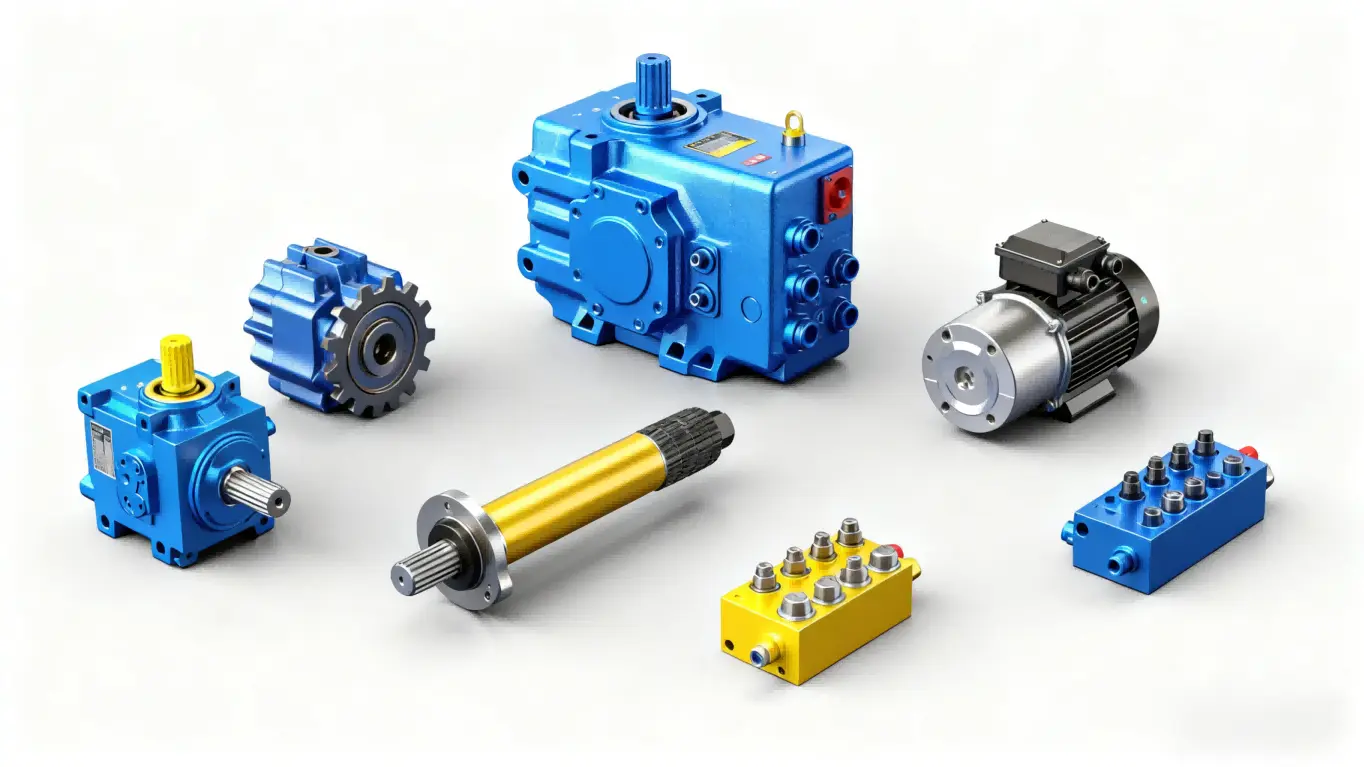
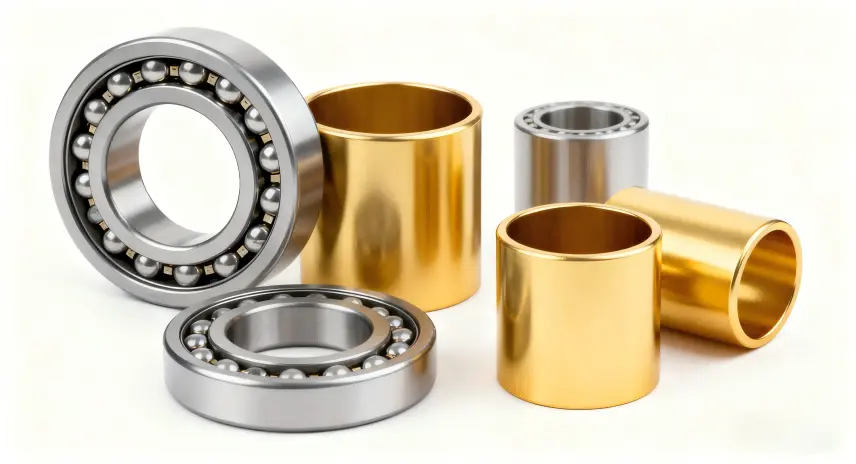
A comprehensive inventory of precision-manufactured parts designed for agricultural, construction, and mining machinery.
Adapting Roll Design to Differing Crop Qualities and Regional Farm Practices
Silage conditions vary around the world, meaning a one-size-fits-all processing roll can lead to inefficient cracking or accelerated component wear. Understanding regional differences helps us manufacture rolls tailored to the specific field conditions of our global customers:
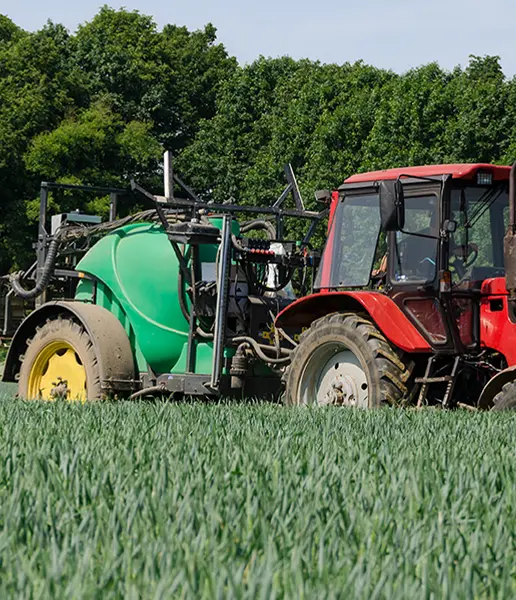
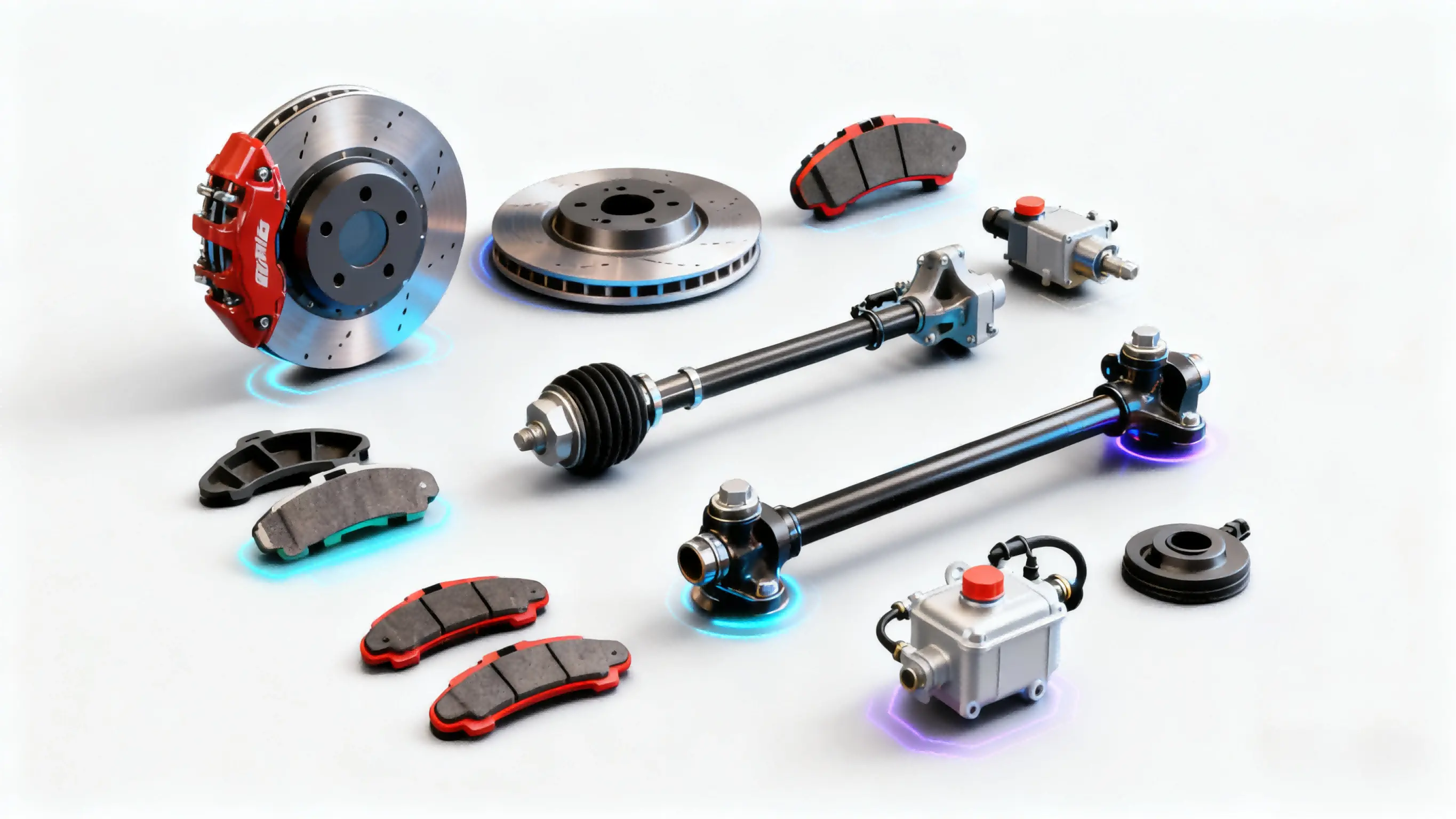
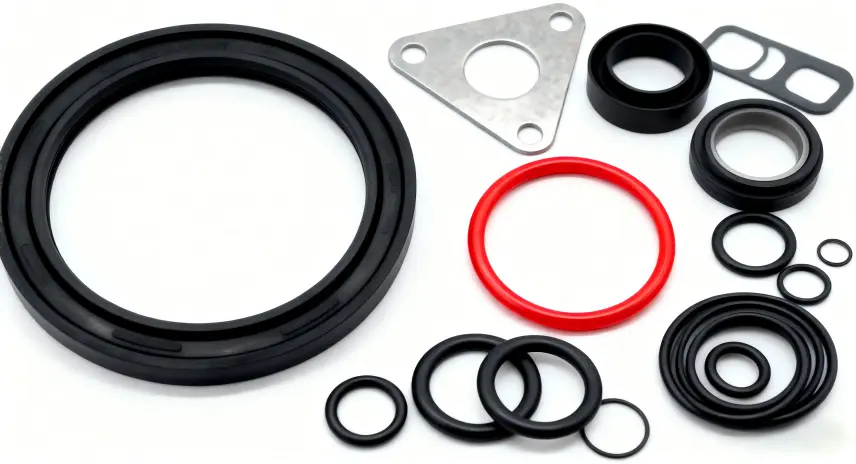
Our heavy-duty rotating parts, bearings, and sealing systems are engineered to withstand demanding operational conditions across multiple industries:
Securing High Performance and International Supply Chain Compliance
Our manufacturing and logistics processes are structured to meet international standards. From the initial steel selection to final shipment, each step follows a documented quality system designed to ensure reliability, safety, and traceability:
All of our manufacturing facilities operate under certified ISO 9001 quality management systems. This standard ensures consistent production processes, full material traceability, and continuous quality control.
Every high-speed crop roll is balanced to ISO 1940 standard G2.5. This precise balancing reduces vibrations at high operational speeds, extending the life of the harvester's bearings and structural components.
To protect components from corrosion during international shipping, parts are treated with rust preventatives, vacuum sealed, and packed in reinforced wooden crates that meet ISPM-15 export requirements.
Technical insights on processing roll selection, installation, maintenance, and lifetime performance optimization.
We manufacture our rolls using high-strength alloy forgings, such as 1045 high-carbon steel and 4140 chrome-moly steel. The choice depends on the buyer's wear requirements and the operating conditions of their machinery. These steels provide high tensile strength and respond well to induction hardening treatments.
Chrome-plated rolls are cost-effective and provide good protection against corrosion and wear in standard soil conditions. Tungsten carbide coated rolls feature a harder surface layer (up to 72 HRC equivalent). This coating is highly resistant to abrasion, making it ideal for sandy soils or high-capacity harvesting where extending roll life is a priority.
The choice of tooth count depends on the crop variety, chop length, and moisture level. 80-tooth configurations are typically used for whole-crop cereal processing or long-cut silage. 110-tooth rolls are common for standard corn silage. 130 to 145-tooth profiles are designed for short-cut silage, providing thorough starch release at high feed rates.
Yes. Our engineering database includes specifications for most major harvester models. We manufacture replacement rolls to match OEM mounting dimensions, bearing seats, and spline profiles, allowing for direct installation without modifying the processor housing.
Silage processor rolls rotate at speeds up to 4,000 RPM. Any mass eccentricity can cause significant structural vibration. Dynamic balancing helps prevent bearing overheating, reduces stress on the harvester frame, and avoids premature roll failure during operation.
Standard replacement profiles are usually available from our stock. Custom projects requiring custom tooth counts, unique dimensions, or specialty coatings typically have a production cycle of 30 to 45 days, depending on material availability and the size of the order.
Latest updates, maintenance practices, and industrial developments from the CWL engineering team.
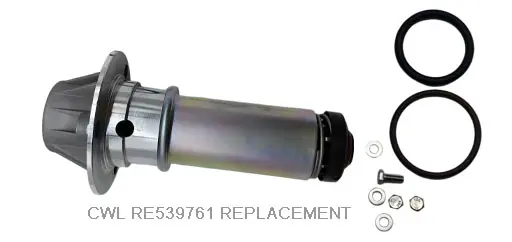
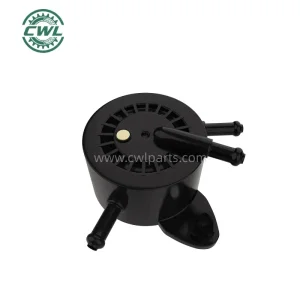
CWL has introduced the RE539761 electronic fuel pump, designed to expand our line of replacement parts for agricultural and engineering equipment. This unit offers broad compatibility, simple installation, and efficient fuel delivery to help support engine reliability.
Read More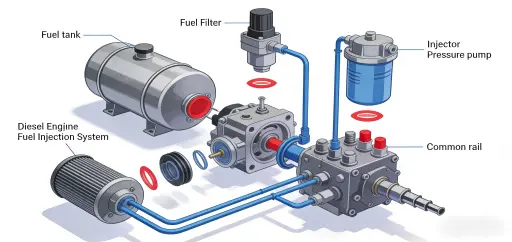
Modern diesel engines rely on direct injection to optimize combustion. This technical guide explains the functions of solenoids, nozzles, and high-pressure needle valves, and discusses how proper maintenance supports overall engine performance.
Read More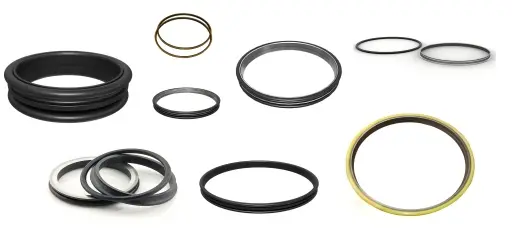
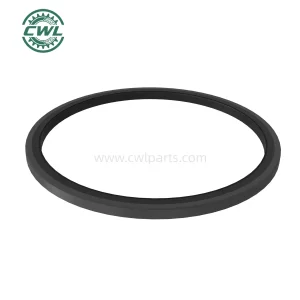
With construction machinery operating in increasingly demanding environments, the demand for durable floating oil seals is rising. Learn how metallurgical improvements are helping prevent lubricating oil leaks in heavy excavators and loaders.
Read MoreContact the CWL technical team today to request a quote, query cross-reference charts, or discuss custom tooth configurations for your harvesting operations.
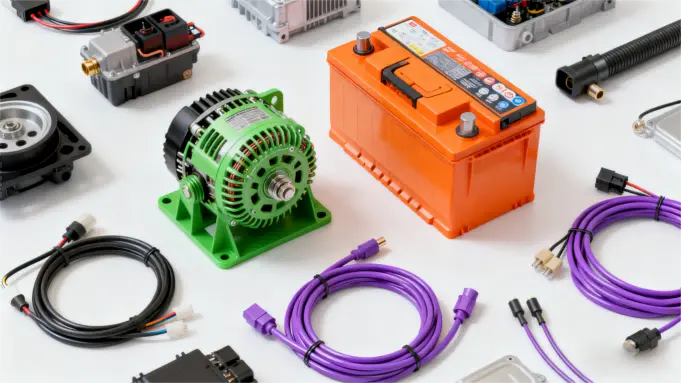
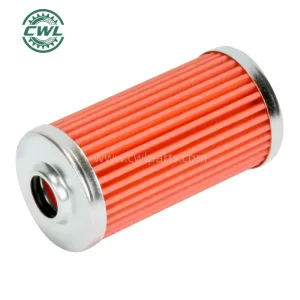
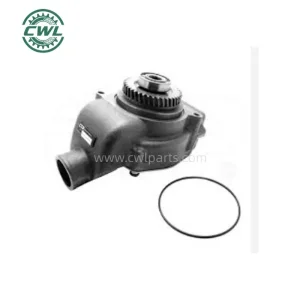
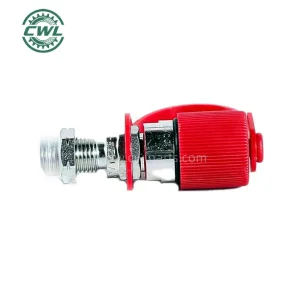
Browse our catalog of fuel system components, sealing rings, water pumps, and quick couplers built to keep your industrial fleets running.
 WEST INDUSTRY