A clogged Truck Fuel Filter rarely fails without warning. It usually records a chain of small problems: water in the tank, rusty sediment, microbial growth, or degraded fuel deposits. These contaminants can appear after refueling, long storage, or repeated exposure to condensation. The filter may look ordinary outside, while its pleated media holds dark sludge inside.
Industry standards confirm why fuel cleanliness matters. ASTM D975 specifies quality requirements for diesel fuel sold in the United States, including limits for water and sediment. The U.S. National Renewable Energy Laboratory also warns in its Biodiesel Handling and Use Guide that poor storage practices can increase oxidation, water accumulation, and filter plugging risks. Cummins Filtration technical guidance similarly identifies dirt, water, and biological contamination as major threats to modern high-pressure fuel systems. These systems use extremely tight injector clearances. Small particles matter.
A blocked filter restricts flow before it creates a dramatic breakdown. The engine may crank longer, lose power under load, surge on hills, or stall when the fuel demand rises. Sometimes, the dashboard warning appears late. That is easy to miss. Fleet maintenance records and filter inspection provide stronger evidence than guesswork. Cut open the used element safely, inspect the fuel bowl, and compare the service interval with the vehicle manufacturer’s recommendations. However, no single symptom proves the filter is the only cause. A failing lift pump, contaminated tank, or inaccurate sensor can produce similar behavior. This article examines why a Truck Fuel Filter becomes clogged and how careful diagnosis prevents repeated failures.
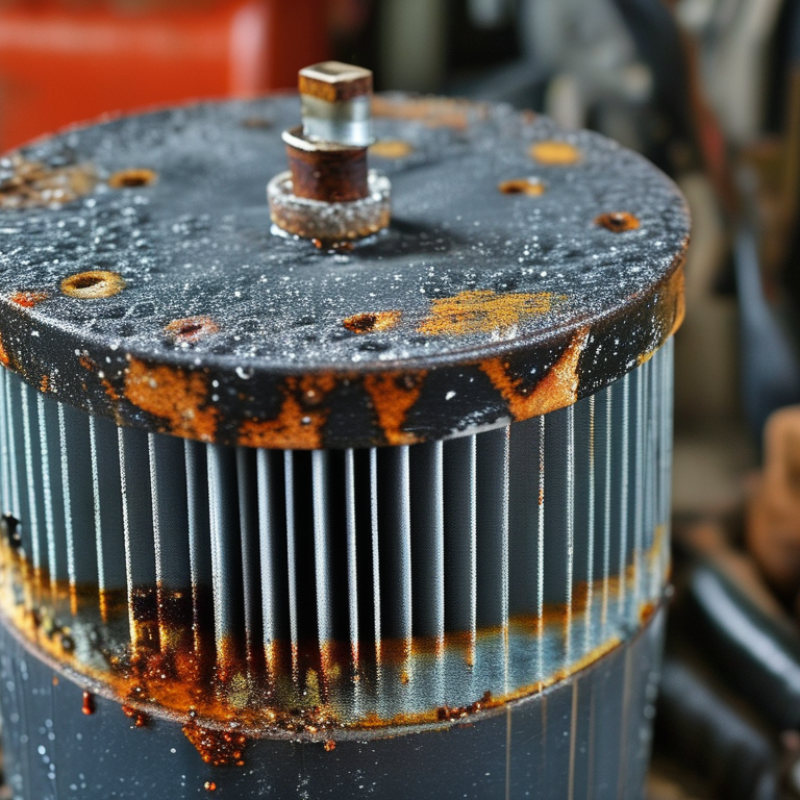
A truck fuel filter is the fuel system’s first serious defense. It removes dirt, rust particles, and water before fuel reaches the injection pump. Clean fuel helps protect precise injectors and supports stable engine performance. The filter also helps maintain the fuel flow required under heavy loads.
Clogging usually begins with contamination inside the tank. Dust can enter through a damaged cap or an open filler neck. Rust may break loose from aging tank surfaces. Water can collect after condensation or poor fuel storage. In cold weather, wax particles may thicken and restrict the filter media. It happens quietly.
I have seen a truck lose power on a long uphill grade because the filter could not pass enough fuel. The engine may hesitate, start slowly, or stall under acceleration. A dark filter does not always prove failure, but it deserves attention. Inspect the service interval, check for water, and follow the vehicle’s maintenance procedure. Replacing a filter too late can stress expensive fuel-system components. Replacing it too early is wasteful, but I have learned that waiting for obvious symptoms is not a reliable test.
A fuel filter protects the injection system by trapping particles and separating water before fuel reaches the pump and injectors.
Rust, dust, sediment, and microbial debris can accumulate in the filter. As contamination increases, fuel flow becomes restricted, which may cause hard starting, power loss, rough running, or stalling. Particle sizes vary by fuel condition and operating environment; the values shown are typical approximate ranges.
A truck’s fuel filter often catches contamination long before drivers notice a problem. Dust can enter through loose fuel caps, damaged seals, or dirty storage tanks. Water is another common threat. Temperature changes create condensation inside partially filled tanks. During refueling, moisture may also enter through wet hoses or poorly maintained dispensing equipment.
ASTM D975 limits water and sediment in No. 2-D diesel to 0.05% by volume. That limit is small for a reason. Free water can support microbial growth, while sediment blocks filter media and damages precision fuel components. The U.S. Department of Energy’s NREL Biodiesel Handling and Use Guide also notes that biodiesel can absorb more water than petroleum diesel. This may increase storage concerns. The situation is not always neat.
Tips: Check the tank bottom for water and sludge during scheduled service. Keep the fuel cap clean and tightly sealed. Drain the filter bowl when equipped. Replace filters by condition, not only by calendar intervals. A dark filter is not automatically a failed filter, but unusual restriction deserves investigation.
Contamination can also develop after delivery. A clean fuel truck cannot guarantee a clean receiving tank. Rust flakes, old deposits, and degraded gaskets may remain inside. I have seen filters changed repeatedly while the real source stayed untouched: the storage tank itself. Inspect the entire fuel path, including hoses, vents, and transfer pumps.
A truck fuel filter becomes restricted when dirt, rust, water, or degraded fuel collects inside its media. Sediment can enter during refueling, especially from a dirty storage tank or damaged fuel cap. Tank corrosion may release fine metal particles. These particles can look harmless but gradually reduce fuel flow. Diesel fuel can also form wax crystals in cold weather. The crystals block the filter surface and cause hard starting or sudden power loss.
Water is another common cause. A water separator may trap moisture, but it still needs regular draining and inspection. Some filters also collect dark sludge from microbial growth in contaminated fuel. A restricted filter may create low fuel pressure, engine hesitation, longer cranking, or stalling under load. The warning signs can appear slowly. Then they become severe.
Diagnosis is not always tidy. A rough idle can mislead a technician toward the injectors, even when the filter is restricted. Checking fuel pressure before and after the filter gives stronger evidence. Inspecting the removed filter can reveal rust, water, wax, or fine dust. Do not judge it by appearance alone. A filter may look clean while its inner passages remain blocked. Service intervals matter, but operating conditions matter more. Frequent short trips, dusty worksites, poor fuel storage, and cold temperatures may require earlier replacement. Always follow the truck’s service procedure and use clean tools, because careless handling can introduce new contamination.
A truck fuel filter can clog from dirt, rust, water, or degraded fuel-tank material. Fine particles collect inside the filter media and restrict fuel flow. A filter may also load faster after contaminated fuel enters the tank. Long service intervals make the problem easier to miss.
The warning signs often appear during heavy acceleration. The engine may hesitate, lose power, or feel unusually weak on hills. It may crank longer before starting. In some cases, it stalls after several minutes, then restarts after cooling briefly. Watch the dashboard, too. An intermittent warning light can support the diagnosis, but it does not prove the filter is responsible. Fuel pressure testing is more dependable.
Listen for changes. A strained fuel pump can sound louder than usual near the tank. You might also notice uneven idling or poor fuel economy. Do not keep driving a truck that repeatedly loses power in traffic. A restricted filter can create unsafe performance and may stress other fuel-system parts. Have a qualified technician inspect fuel pressure, filter condition, tank contamination, and electrical connections. Replacing the filter alone may not solve the issue if debris remains upstream. Symptoms are easy to misread, especially when cold weather or a weak battery causes similar starting trouble.
A truck fuel filter can clog from dirt, rust, water, or fuel deposits inside the tank. Cold weather may also thicken diesel fuel and restrict flow. Common symptoms include hard starting, weak acceleration, engine hesitation, and sudden power loss under load. Do not rely on symptoms alone. Check the maintenance record and inspect the filter for dark fuel, water, or visible particles.
Use a fuel pressure gauge or restriction test, following the vehicle manufacturer’s specifications. Compare readings before and after the filter when possible. A small pressure drop may be normal, while excessive restriction points toward blockage.
Safety matters. Work in a ventilated area, control spills, and keep ignition sources away. A common mistake is replacing the filter without finding the contamination source. That shortcut can fail quickly.
Prevent clogging by keeping the fuel cap and filler area clean. Use clean fuel from reliable storage tanks, and drain the water separator when the service instructions require it. Replace the filter at the correct interval, especially before demanding hauling seasons.
To fix the problem, install the correct filter, clean the housing, prime the system, and check for leaks. If the new filter clogs again, inspect the tank, fuel lines, and possible microbial growth.
The filter may only be the messenger.
: Dirt, rust, water, wax, and degraded fuel can collect inside the filter media. Fine particles may enter during refueling. It happens slowly. A damaged fuel cap or dirty storage tank can worsen contamination.
Yes. Diesel fuel may form wax crystals in low temperatures. These crystals cover the filter surface and reduce fuel flow. Hard starting may follow. Cold conditions can expose a weak maintenance routine.
Watch for long cranking, weak acceleration, hesitation, uneven idling, and stalling under load. The engine may lose power while climbing a hill. A strained fuel pump may sound louder near the tank. Symptoms can resemble battery or injector problems.
No. An intermittent warning light only supports the diagnosis. It does not prove the filter is restricted. Fuel pressure testing gives stronger evidence. Electronic clues can still mislead.
The technician can measure fuel pressure before and after the filter. An excessive pressure drop suggests restricted flow. The removed filter may contain water, rust, wax, sludge, or fine dust. Appearance alone is unreliable. A clean-looking filter may still have blocked passages.
Replace it when service instructions require replacement or restriction is confirmed. Use the correct filter and clean tools. Clean the housing before installation. Prime the system and check carefully for leaks. Replacing it blindly may waste time.
Keep the filler area and fuel cap clean. Use clean fuel from well-maintained storage tanks. Drain the water separator as instructed. Inspect the tank and fuel lines if contamination returns. The filter may only be the messenger.
No. Repeated power loss can create dangerous performance in traffic. It may also stress other fuel-system parts. Stop when practical and seek qualified inspection. Do not ignore it. Diagnosis is not always tidy.
A Truck Fuel Filter plays a vital role in protecting the fuel system by trapping dirt, rust, water, and other particles before they reach the fuel pump and engine. Contaminants can enter through dirty storage tanks, poorly sealed fuel caps, old fuel containers, condensation, or low-quality fuel. Over time, these materials collect inside the filter, restricting fuel flow and making it harder for the engine to receive a steady supply.
A clogged filter may cause hard starting, weak acceleration, engine hesitation, reduced fuel efficiency, rough idling, or unexpected stalling. Diagnosis usually involves checking fuel pressure, inspecting the filter, and looking for contamination in the fuel system. Regular filter replacement, clean fuel storage, secure fuel caps, and timely maintenance can help prevent blockage. If clogging occurs, the filter should be replaced with the correct type, while the tank and related components should also be checked and cleaned when necessary.
WEST INDUSTRY