Choosing the right Truck Air Filter manufacturer in China requires more than comparing factory prices. Buyers must examine filtration performance, production consistency, material quality, and after-sales support. A reliable supplier should explain its media structure, sealing materials, dust-holding capacity, and testing methods clearly. Product photos are useful, but they cannot replace inspection records or verified samples.
This guide explores leading China Truck Air Filter manufacturers through practical purchasing criteria. It considers factory experience, export capability, quality management, customization options, and customer feedback. Some manufacturers focus on heavy-duty diesel engines, while others serve buses, construction equipment, or agricultural vehicles. The difference matters because operating conditions vary widely. A filter used on a dusty construction site needs different performance priorities than one used on paved highways.
Look closely.
The strongest manufacturers usually provide dimensional drawings, batch information, and installation guidance. They may also support private labeling and small trial orders. However, supplier rankings are never completely fixed. Capacity, raw materials, certifications, and service quality can change over time. That is an important limitation.
A careful buyer should request samples, compare pressure-drop data, and confirm compatibility with the target truck model. Independent testing can add confidence when large orders are involved. This article does not treat marketing claims as final evidence. Instead, it presents a practical comparison framework for identifying dependable manufacturers and avoiding costly mismatches in real-world fleet maintenance.
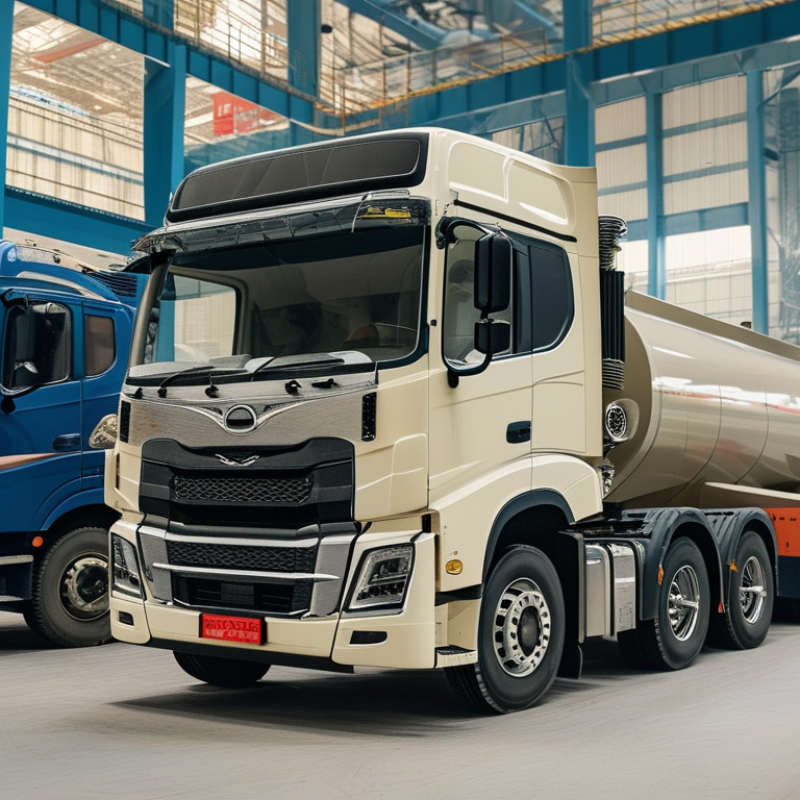
Truck air filters are not decorative parts. They protect engines from dust, soot, sand, and fine road debris. A clean intake filter supports stable airflow and more complete combustion. A clogged filter can increase intake restriction, reduce power, and raise fuel consumption. The effect varies with engine design and operating conditions.
Small efficiency losses therefore matter across large fleets. Field technicians often inspect filters after construction-site work, winter salting, or long highway routes. The pleats may look clean while hidden dust blocks airflow. That is easy to miss.
ISO 5011 provides standardized procedures for evaluating air-cleaner performance, including filtration efficiency and pressure loss.
Buyers should request test results, dust-holding capacity, sealing data, and material specifications from manufacturers. A strong supplier also explains replacement intervals instead of promising one universal mileage figure. Real conditions differ.
Laboratory numbers are useful, but they are not the whole story. Poor housing seals can defeat an excellent filter. Maintenance records should confirm the actual service interval, not merely follow a brochure.
Even experienced operators sometimes replace filters too late, because the truck still starts normally. That judgment deserves more caution.
China’s truck air filter sector deserves a process-based evaluation, not a catalogue-based decision. CAAM’s 2024 industry statistics recorded roughly four million commercial-vehicle sales in China. This scale increases demand, but volume alone proves little about filter quality. Factories must be judged by repeatable evidence.
Ask manufacturers for ISO 5011 test reports covering initial efficiency, pressure loss, and dust-holding capacity. Compare results under identical airflow and test-dust conditions. Use the same test conditions. An impressive efficiency percentage can hide excessive restriction or an unsuitable test load. Request raw test curves, laboratory details, test dates, and sample identifiers. Third-party verification helps when factory data look unusually perfect. ISO 5011 supports comparison, but it does not certify a supplier’s entire production system.
Production control matters just as much as laboratory performance. Inspect pleat depth, seal compression, adhesive curing, media basis weight, and gasket recovery after storage. Review at least three production batches, not one carefully selected sample. IATF 16949 or ISO 9001 certification is useful, yet certificates cannot replace process records. The 2024 MarketsandMarkets automotive filters report highlights filtration performance, durability, and replacement economics as important market drivers. Ask for field-service data, warranty rates, and delivery consistency. Long-term fleet evidence is often incomplete. I would not accept a polished audit file as final proof. Even experienced buyers can overvalue certificates. A small pilot order may reveal more than a confident sales presentation.
China’s truck air filter manufacturing sector is supported by a large commercial vehicle market. The China Association of Automobile Manufacturers reported about 4.03 million commercial vehicle sales in 2023, a 22.1% year-on-year increase. This volume encourages suppliers to invest in tooling, testing, and export capacity.
Leading Chinese manufacturers often show strength in different areas. Large plants usually provide molded polyurethane seals, multi-stage filtration, and automated pleating lines. Their engineers commonly use ISO 5011 testing to evaluate dust holding capacity, pressure loss, and cleaning efficiency. Export-focused factories may also operate under IATF 16949 quality systems. This matters when filters face vibration, dust, heat, and long highway intervals.
Mid-sized manufacturers can offer faster sampling and flexible packaging. Some adjust paper density for mining trucks, urban delivery fleets, or high-dust construction routes. According to a 2024 automotive filters market analysis by Mordor Intelligence, demand is influenced by vehicle production, replacement cycles, and stricter engine protection requirements. The exact forecast varies by methodology, so buyers should not treat one percentage as a guarantee. No supplier is perfect. A low price may hide uneven sealing or inconsistent media weight. Practical evaluation should include laboratory reports, batch traceability, sample inspection, and field feedback from fleet operators. Manufacturers with strong engineering teams usually explain pressure-drop results clearly, rather than relying only on efficiency claims.
Typical replacement intervals show how truck air-filter requirements change with operating conditions—an important strength area for experienced heavy-duty filter manufacturers.
The chart presents commonly used service-planning ranges for heavy-duty truck engine air filters. Highway operation generally allows longer intervals, while mixed-road and dusty off-road conditions require more frequent inspection or replacement. Actual maintenance intervals should follow the truck manufacturer’s service manual and restriction-indicator readings.
China’s truck air filter manufacturers differ widely in quality, price, and customization. In factory evaluations, I check filter media, pleat consistency, sealing edges, and pressure-drop test records. A reliable supplier should provide traceable material data and batch inspection reports.
Quality depends on more than appearance. A filter with uneven pleats may restrict airflow or collect dust poorly. Some manufacturers use synthetic media for stable performance in humid or dusty routes. Others offer cellulose blends for lower costs. Ask for samples, dimensional drawings, and test results before placing a large order. Small details matter.
Price is often competitive because Chinese factories support efficient production and local supply chains. However, the cheapest quotation may exclude tooling, packaging, or extra testing. I have seen low prices become expensive after repeated fitment problems. Customization is a major advantage. Suppliers can adjust outer diameter, gasket material, pleat depth, labels, and carton design. Custom molds may require minimum quantities and separate fees. Lead times also change when special materials are needed. One weakness remains: communication can become unclear when technical drawings are incomplete. A written specification prevents avoidable mistakes.
| Manufacturer Type | Typical Product Scope | Common Filter Media | Typical Filtration Efficiency | Quality and Compliance Indicators | Indicative Export Price per Unit | Typical MOQ | Customization Capability | Typical Lead Time | Best Fit for Buyers |
|---|---|---|---|---|---|---|---|---|---|
| Large-scale OEM-oriented supplier | Engine air, cabin air, fuel, oil, and hydraulic filters for high-volume truck programs | Pleated cellulose, synthetic blend, or fully synthetic media | Approximately 98%–99.9%, depending on test method and particle size | ISO 9001 quality systems, production traceability, dimensional inspection, and batch testing | US$4–18 for common truck air filters; higher for large or specialized assemblies | 500–2,000 units per part number | High for tooling, dimensions, labels, packaging, and media selection | 25–45 days for repeat orders; longer for new tooling | Fleet operators, distributors, and truck assemblers requiring stable supply |
| ISO-certified mid-sized manufacturer | Standard replacement filters for medium-duty and heavy-duty trucks | Cellulose, cellulose-synthetic composite, and nonwoven synthetic media | Approximately 97%–99.5% for standard engine air-filter applications | ISO 9001 certification, incoming-material inspection, leak testing, and sample approval procedures | US$2.50–12 for common replacement products | 300–1,000 units per part number | Medium to high; private labeling and packaging changes are usually available | 20–35 days after artwork and specifications are approved | Importers seeking a balance between price, quality, and flexibility |
| Aftermarket volume specialist | High-volume replacement air filters covering widely used truck applications | Mainly pleated cellulose or cellulose-synthetic blend | Approximately 95%–99%, depending on product design and test conditions | Basic quality control, dimensional checks, filter-paper inspection, and production sampling | US$1.50–8 for standard replacement air filters | 1,000–5,000 units per part number | Low to medium; standard molds and existing designs are generally preferred | 15–30 days for stocked or established designs | Price-sensitive distributors and high-volume aftermarket programs |
| Custom engineering supplier | Non-standard truck filters, severe-duty applications, pre-cleaner systems, and prototype programs | Synthetic media, nanofiber-coated media, high-dust-capacity media, or multilayer constructions | Approximately 99%–99.99% when specified and validated for the intended application | Application testing, airflow and pressure-drop data, material certificates, sample validation, and drawing control | US$8–35 or more, depending on size, media, tooling, and testing requirements | 50–500 units for development; regular production quantities vary | Very high; custom dimensions, seals, pleat geometry, media, and packaging can be developed | 30–60 days for prototypes or new tooling; production timing varies | Engineering teams and buyers with special operating or performance requirements |
| Trading company with outsourced production | Mixed truck-filter catalogs sourced from multiple factories | Usually cellulose or synthetic media selected by the supplying factory | Approximately 95%–99.5%; performance depends on the selected production partner | Supplier audits, inspection reports, pre-shipment inspection, and documentation should be requested | US$2–15 for common products, depending on specifications and order volume | 100–1,000 units per part number | Medium for packaging and labeling; technical customization depends on the factory | 20–45 days, depending on factory capacity and inspection requirements | Small importers needing product sourcing and consolidated shipments |
| Data note: Price, MOQ, lead time, and performance figures are typical indicative ranges for China-sourced truck air-filter programs. Actual results vary by filter dimensions, application, media grade, testing standard, order quantity, tooling, packaging, and destination. Buyers should request drawings, samples, test reports, material specifications, and a pre-shipment inspection before placing a production order. | |||||||||
Choosing the right China truck air filter manufacturer requires more than comparing prices. According to the 2024 MarketsandMarkets Automotive Filters Market report, global demand is expected to grow at roughly 5% annually through 2030. This growth reflects stricter emission controls, longer vehicle service intervals, and rising fleet operating costs. A capable supplier should provide ISO 5011 testing records, not only attractive product photos.
Ask for measurable evidence. Check filtration efficiency, initial pressure drop, dust-holding capacity, and sealing performance. Request samples from the same production batch. Install them on a working truck and inspect the gasket after several hundred kilometers. A small gap around the seal can allow fine dust into the engine. That damage is expensive.
Quality systems also matter. Review material traceability, incoming inspection, and batch-level inspection reports. The supplier should explain its media composition and adhesive curing process clearly. Intertek’s 2023 industrial filtration research highlights growing demand for documented performance and traceable supply chains. However, certificates alone are not enough. I have seen technically impressive samples fail during repeated vibration tests. Ask about vibration, humidity, and temperature testing. Confirm mold ownership, replacement consistency, export packaging, and complaint response times. Some manufacturers answer quickly before the order, then become vague afterward. That warning deserves attention.
: China has a large commercial vehicle market and strong production capacity. Many factories invest in tooling, testing, and export packaging. Samples can often be produced quickly. Capacity varies widely.
Check even pleats, stable filter media, and a continuous sealing edge. The gasket should fit tightly around the housing. Uneven pleats may increase airflow resistance. Sealing is critical.
Request filtration efficiency, initial pressure drop, and dust-holding capacity. A recognized laboratory test method can improve comparison. Ask for reports from the same production batch. Photos are not enough.
Compare materials, tooling, packaging, testing, and delivery terms. A low quotation may exclude special molds or extra inspections. Repeated fitment problems can erase the original savings. Price can mislead.
Many suppliers can adjust dimensions, pleat depth, gasket materials, and carton designs. Custom molds may require minimum order quantities and separate charges. Special media can also extend production time. Details matter.
Inspect the sample dimensions and sealing edge first. Install it on a working truck under normal route conditions. Check the gasket after several hundred kilometers. Look for dust marks.
No. Certificates support credibility but cannot replace practical inspection. Review material traceability, incoming checks, and batch records. Ask about vibration, humidity, and temperature testing. No supplier is perfect.
Incomplete drawings can cause incorrect dimensions or unclear material choices. Written specifications should define tolerances, packaging, testing, and mold ownership. Some suppliers respond quickly before ordering, then become vague. That warning matters.
Mining, construction, and rural routes may need stronger dust-holding performance. Ask whether the media suits humidity, heat, and frequent vibration. A filter may look fine but perform poorly in service. Field feedback helps.
Truck Air Filter is a vital component in heavy-duty vehicles, helping prevent dust, sand, moisture, and other contaminants from entering the engine. A reliable filter supports efficient combustion, protects engine parts, maintains stable performance, and may help reduce maintenance costs. When evaluating manufacturers in China, buyers should consider filtration efficiency, material quality, production capacity, testing procedures, product consistency, certifications, delivery reliability, and after-sales communication.
Chinese manufacturers may offer competitive pricing, flexible customization, and a broad range of filter designs for different truck models and operating conditions. However, quality and service can vary, so buyers should compare technical specifications, sample performance, quality-control systems, minimum order requirements, packaging, and lead times. The right supplier should be able to provide consistent products, clear communication, practical customization, and dependable long-term support. By balancing quality, price, production capability, and customization needs, truck operators and distributors can select a suitable China-based manufacturer with greater confidence.

WEST INDUSTRY