Choosing the right truck oil filter can significantly impact your vehicle's performance. A quality oil filter ensures that harmful contaminants are effectively removed from the engine oil, promoting longevity and efficiency. However, many truck owners overlook this critical component. It's essential to recognize the role that a truck oil filter plays in maintaining optimal engine health.
When selecting a truck oil filter, consider the brand and compatibility with your truck's make and model. Reliable brands often have extensive research and testing behind their products. Additionally, factors such as filtration efficiency and flow rate should not be ignored. A filter that does not match your truck's specifications may lead to poor performance and potential damage.
This decision often requires careful thought and research. Many truck owners may find themselves torn between affordability and quality. It's tempting to go with the cheaper option, but this could compromise engine safety. Balancing cost with reliability is crucial for ensuring your truck runs smoothly for years to come.
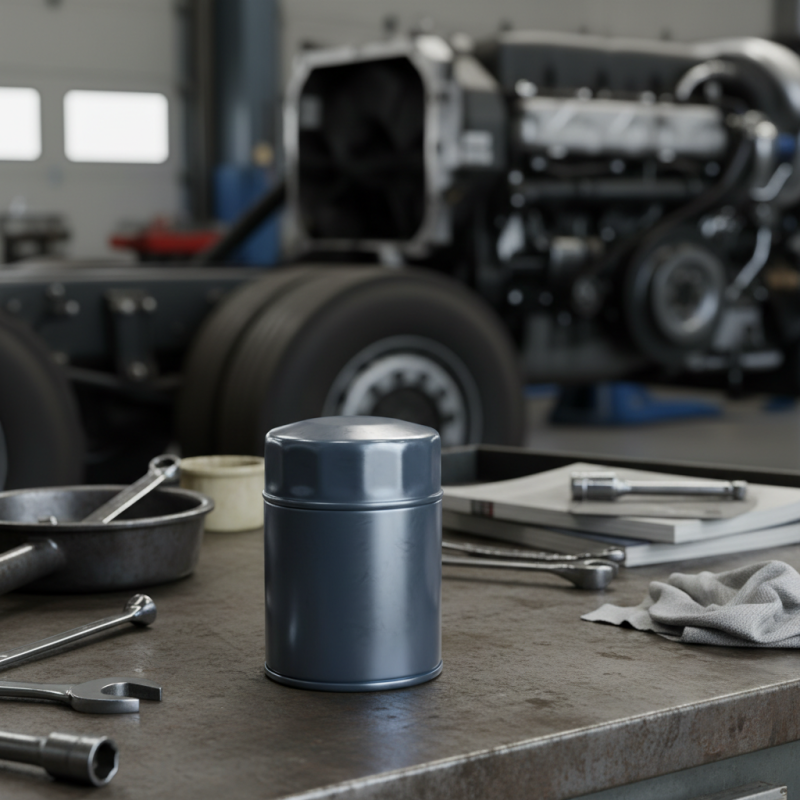
Oil filters play a crucial role in truck maintenance. They remove contaminants from engine oil, ensuring smooth operation. A clean oil filter helps maintain optimal engine health. Dirty filters can lead to engine wear and reduced performance. Regularly checking and replacing oil filters is essential for longevity.
Choosing the right filter can be overwhelming. Various options exist on the market, each differing in quality and efficiency. It's important to consider the filter's capacity to trap dirt. A filter that fails to do so can compromise engine health. Pay attention to the specifications and compatibility with your truck.
Ignoring the oil filter leads to costly repairs. Some drivers underestimate its significance, thinking all filters are the same. This misconception can result in engine damage. Regular maintenance includes oil filter changes, ideally every 5,000 to 7,500 miles. Staying proactive is key to avoiding issues down the road.
When selecting the right oil filter for your truck, it's essential to consider various factors such as filter efficiency, lifespan, and price. This chart compares these key features, providing valuable insights for truck maintenance decisions.
When selecting the right truck oil filter, understanding the types available is crucial. There are two primary categories: spin-on and cartridge filters. Spin-on filters are user-friendly as they can be replaced easily. They tend to have built-in anti-drain back valves, ensuring oil is present at startup. Cartridge filters, on the other hand, typically have a simpler design but require proper handling during replacement.
Keep in mind the application of each filter type. Certain engines may require specific filters for optimal performance. Research compatibility with your truck's make and model. Not every filter will provide the same level of filtration or durability, so examining specifications is key.
Another tip is to check the filter's construction quality. Higher-quality materials often lead to better performance and longevity. You might find cheaper options, but those could compromise reliability. Also, consider the manufacturer's reputation. It's wise to rely on established and trusted sources when making your choice. Take time to reflect on these factors to ensure your truck runs smoothly.
When selecting an oil filter for your truck, several key features demand attention. The filter's filtration efficiency is crucial. High-quality filters trap more contaminants, ensuring cleaner engine oil. Look for specifications that detail the filter's ability to catch particles of various sizes. This can greatly affect engine longevity and performance.
Another important aspect is the filter's design and construction. Filters with sturdy materials resist wear and tear better. A well-designed filter has proper sealing that prevents oil leaks. Look for filters featuring anti-drain back valves. These valves maintain oil pressure and protect engine components during startup.
Tips for finding the right filter can be helpful. Check the manufacturer's recommendations; they often provide valuable insights. Additionally, consult with professionals who understand your specific truck model. Don’t rush your decision. Explore different options to find the best fit for your needs. Remember, investing time in research now can prevent costly repairs later.
When selecting an oil filter for your truck's engine, consider the specifications. Match the filter to your engine’s requirements. Check the owner’s manual for detailed information on suitable filters. The wrong filter can impede engine performance.
Choosing an oil filter isn't just about size. Look for quality indicators like filtration efficiency and build materials. A high-quality filter protects your engine better. Remember, a filter with higher dirt-holding capacity lasts longer and needs fewer replacements.
Inspecting the filter regularly can prevent issues. Look for any signs of leaks or damage. If you notice a drop in engine performance, it might be time for a replacement. This process can feel tedious, but it is essential for truck longevity. Stay informed about different filter types too; each type has its pros and cons.
When it comes to truck maintenance, the oil filter plays a critical role. It keeps contaminants from entering the engine. Regular maintenance of the oil filter can enhance performance significantly. A study by industry experts indicates that nearly 80% of engine wear is due to contaminants. This highlights the importance of maintaining a clean oil filter.
To ensure the optimal performance of your truck’s oil filter, inspect it regularly. A visual check can reveal signs of wear or damage. Changing the oil filter as per manufacturer recommendations is crucial. Delaying this process could lead to reduced engine efficiency and potential breakdowns. According to the American Petroleum Institute, replacing a clogged oil filter can improve engine performance by up to 15%.
Be mindful of the oil filter’s age and condition. Old filters may not capture debris effectively. Some truck owners overlook these details, risking engine health. Using a proper tool to check the oil filter's integrity can aid in early detection of issues. Regular maintenance helps in avoiding costly repairs and extends the life of the engine.
: Check your owner's manual for specifications. Match the filter to your engine’s requirements for optimal performance.
Quality filters offer better filtration efficiency. They protect your engine from contaminants and can last longer.
Regular inspections are essential. Look for leaks or damage to catch issues early and maintain engine health.
Using an incorrect filter can harm engine performance. It’s critical to match it correctly to avoid issues.
Replace it as per manufacturer recommendations. Delaying could lead to reduced efficiency and potential engine failures.
Yes, old filters may not capture debris effectively. Ignoring this can risk your engine’s health.
Proper tools can aid in checking the filter's integrity. Regular checks can prevent costly repairs.
Neglect can lead to increased engine wear. It might result in costly repairs and reduce your truck's lifespan.
Choosing the right Truck Oil Filter is crucial for maintaining the performance and longevity of your vehicle. Understanding the importance of oil filters in truck maintenance sets the foundation for proper care. Various types of truck oil filters are available, each designed to meet specific engine needs. When selecting an oil filter, it is essential to consider key features such as filtration efficiency, compatibility with your engine, and durability.
Identifying the right oil filter involves understanding your truck's engine specifications and requirements. Regular maintenance tips can further ensure optimal oil filter performance, helping to keep your engine clean and efficient. By focusing on these aspects, truck owners can make informed decisions that enhance their vehicle's reliability and functionality.

WEST INDUSTRY