Choosing the right solenoid valve seat is crucial for optimal performance in various applications. It acts as a barrier that enables or prevents fluid flow. A well-selected solenoid valve seat enhances efficiency and reliability in systems. However, the wrong choice can lead to significant issues like leaks and system failures.
When considering your options, factors such as pressure, temperature, and compatibility with fluids are essential. Not all valve seats suit every situation. Some may wear out quickly, while others can handle harsh conditions. It is important to assess your specific needs carefully.
Moreover, understanding the materials used in solenoid valve seats is vital. Common options include plastic, stainless steel, and brass. Each material offers unique benefits. They vary in durability and resistance to corrosion. Reflect on your application’s requirements to make an informed decision. This process requires patience and reflection. It is important to weigh the trade-offs and potential pitfalls of your choices.
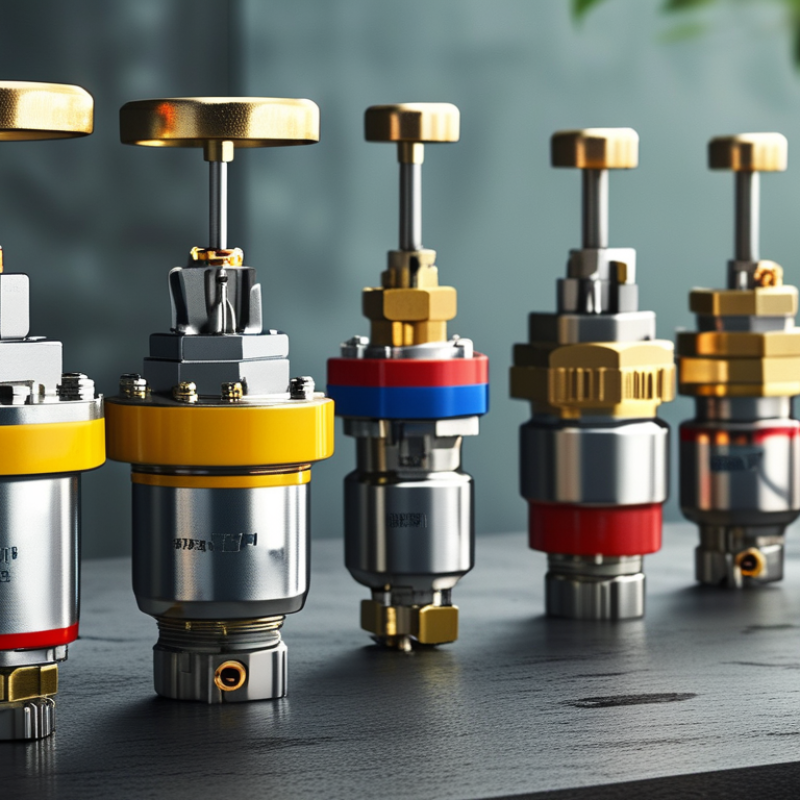
Understanding solenoid valve seats is crucial for effective fluid control. These components play a vital role in the operation and efficiency of systems. There are several types of solenoid valve seats, including soft seats, hard seats, and diaphragm seats. Each type serves a unique function and is designed for specific applications. Soft seats provide a tight seal, minimizing leakage. Hard seats are durable and suitable for high-pressure scenarios.
When selecting a solenoid valve seat, consider the fluid characteristics. Is it corrosive or abrasive? These factors will determine the appropriate material and type of seat. For instance, a corrosive fluid may require a material resistant to degradation. You should also think about pressure and temperature ranges. The seat must withstand the operational environment without failing.
Choosing the right solenoid valve seat can significantly impact the performance of your system. Several key factors must be considered during the selection process. Firstly, assess the compatibility of materials. The material should withstand the fluid type. Ensure it can handle varying temperatures and pressures.
Another essential factor is the valve size. A correct fitting ensures better flow control. Mismatched sizes can lead to inefficiency and increased wear. Installation space is also a consideration. Limited space may restrict your options.
Tips: Always refer to manufacturer guidelines for specifications. Check for certifications that ensure quality and reliability. An overlooked detail can lead to costly downtime.
Consider the operational environment. Corrosive or abrasive materials require specific valve seats. Additionally, the frequency of operation matters. High cycles demand durable materials. Regularly review your choices for evolving needs. Reducing mistakes can stem from continual reflection on past selections.
| Factor | Description | Recommended Range |
|---|---|---|
| Material Compatibility | Ensure the seat material is compatible with the fluid being controlled. | Nitrile, EPDM, Viton |
| Operating Pressure | Select a seat that can withstand the maximum operating pressure. | 0-1000 psi |
| Temperature Range | Consider the temperature limits of the fluid to avoid seat degradation. | -40°F to 200°F |
| Flow Requirements | Evaluate the necessary flow rate to choose the right seat size. | 0-20 GPM |
| Seat Design | Different designs offer varying degrees of sealing performance. | Standard, Soft-Seat, Metal-Seat |
| Maintenance Needs | Choose a seat that fits your maintenance and replacement schedule. | Low, Medium, High Maintenance |
Choosing the right material for your solenoid valve seat is crucial for optimal performance. Material compatibility impacts the valve's lifespan and functionality in various applications. Research shows that improper material selection can lead to failure rates as high as 20%. That's a significant risk for any project.
Consider the specifics of your application. For example, temperatures and pressures play a big role. Some materials like EPDM are better suited for high-pressure scenarios, while others may not withstand extreme temperatures. A report from the Fluid Power Journal highlights that 30% of valve failures stem from material incompatibilities. This data underscores the importance of understanding the material characteristics.
When selecting a solenoid valve seat, sizing and pressure ratings are critical for performance. Choosing the right size ensures that the valve operates efficiently within your system. A valve that is too small may restrict flow, while one that is too large can lead to inefficiency and potential system failures. According to industry data, around 30% of valve malfunctions arise from improper sizing.
Pressure ratings are equally important. Most solenoid valves are rated for specific pressure ranges. Exceeding these limits can result in leaks or catastrophic failures. Research shows that valves operating at 10% above their rated pressure are 50% more likely to fail within a year. Understanding the specific operating conditions of your application is vital. Each hydraulic fluid, temperature, and installation method can affect performance.
Consider environmental factors too. In corrosive conditions, materials must withstand potential degradation. Some studies indicate that 70% of valve failures in harsh environments are due to material selection. The balance between selecting the right seat size and ensuring proper pressure rating is essential. Ignoring these aspects might lead to costly repairs and system downtimes. Evaluate your needs carefully to ensure reliability and optimal performance of your solenoid valves.
Choosing the right solenoid valve seat involves understanding its applications. These components are often used in water systems, HVAC, and industrial machinery. Different environments may require specific materials, such as stainless steel or plastic. Assessing the working conditions is crucial for durability and efficiency.
When selecting a solenoid valve seat, consider the medium being controlled. Fluids can be corrosive, and unsuitable materials can lead to premature failure. Always check the compatibility between the valve seat material and the fluid. Pay attention to temperature ranges and pressure levels, too. This will ensure optimal performance.
Tip: Regular maintenance helps to identify wear and tear on solenoid valve seats. Monitoring performance can prevent unexpected downtimes.
In industrial settings, a wrong choice can lead to inefficiencies. Analyze past usage patterns before making a decision. Don’t overlook the importance of expert guidance when needed. This can save time and resources in the long run.
Tip: Always keep spare components handy. This reduces downtime during maintenance and emergencies. Proper planning goes a long way.
: Material compatibility affects the valve's lifespan and functionality. Improper selection leads to higher failure rates.
Consider temperatures, pressures, and the fluid's chemical composition. These aspects affect material durability.
A small valve restricts flow, while a large one can lead to inefficiency. This imbalance can cause system failures.
Operating above the rated pressure increases the likelihood of leaks or failures. It’s crucial to stay within the limits.
About 30% of valve failures arise from material issues. This underscores the need for careful material selection.
Reviewing material performance in action can provide insights. This may lead to better choices and cost savings in future projects.
Corrosive conditions can cause material degradation. Selecting the right materials for harsh environments is critical.
Yes, valves operating at 10% over their pressure rating are 50% more likely to fail within a year.
Always check technical data sheets for accurate ratings. This prevents potential costly mistakes.
Ignoring these aspects can lead to costly repairs and system downtimes. Evaluate your needs to ensure reliability.
When selecting a solenoid valve seat, it is essential to understand its types and functions, as they play a critical role in the valve's overall performance. Key factors to consider include material compatibility, which ensures that the seat can withstand the specific conditions of the application, such as temperature and chemical exposure. Moreover, appropriate sizing and pressure ratings are crucial for achieving optimal functionality, as they determine how effectively the valve operates under various pressure conditions.
In addition to these factors, recognizing common applications and use cases for solenoid valve seats can help inform your choice. Whether used in industrial automation, HVAC systems, or fluid control processes, selecting the right solenoid valve seat is vital for reliability and efficiency in your system. By carefully evaluating these aspects, you can make an informed decision that meets your specific needs.

WEST INDUSTRY