How to Choose the Right Truck Fuel Filter for Your Needs?

Time:2026-05-28 Author:Isabella
0%

Choosing the right truck fuel filter is essential for maintaining your vehicle's performance. A reliable Truck Fuel Filter ensures that your engine receives clean fuel, which is crucial for efficiency and longevity. With various options available, it can be overwhelming to find the best fit for your needs.

Consider the specific requirements of your truck. Different models and types may necessitate particular filters for optimal functioning. Quality matters; inferior filters can lead to engine damage. Look for reputable brands known for their durability and reliability. Real user reviews can provide insight, but remember to verify their authenticity.

Investing time in research is vital. Ask professionals or consult trusted resources to better understand your options. It's easy to overlook the importance of a fuel filter, but neglecting this component can result in costly repairs. Keep your truck's needs in mind and choose wisely. This choice can make all the difference in your truck's performance and lifespan.
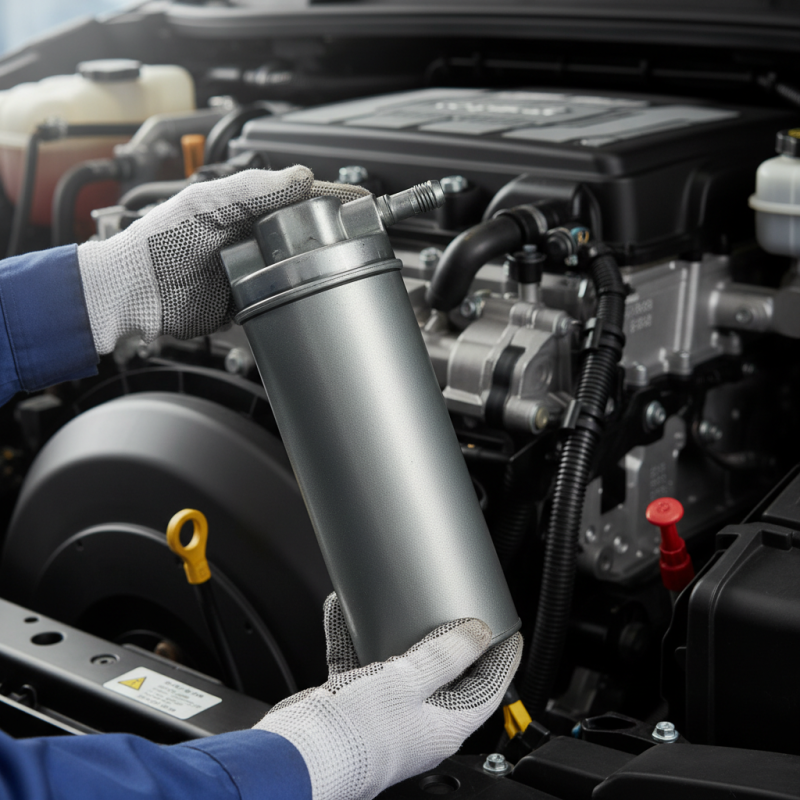
How to Choose the Right Truck Fuel Filter for Your Needs?

Understanding Truck Fuel Filter Types: A Comprehensive Overview

When selecting a truck fuel filter, understanding the different types is essential. There are primarily two categories: primary filters and secondary filters. Primary filters catch larger particles before fuel enters the engine. Secondary filters focus on finer contaminants. Both types are crucial for maintaining engine performance and longevity.

Consider your specific needs. For heavy-duty applications, a robust filter with high dirt-holding capacity is vital. If you often drive in dusty environments, investing in filters designed for that condition makes sense. Some filters also come with water separators. These features are beneficial if you’re working in wet climates.

Pay attention to the installation process. Some filters can be challenging to replace, leading to improper function if not done correctly. While some users might underestimate the importance of regular maintenance, neglect could result in costly engine repairs. Choose a filter that aligns well with your truck's requirements and your driving conditions.

Understanding Truck Fuel Filter Types

This bar chart displays the efficiency percentages of different types of truck fuel filters, indicating their effectiveness in filtering fuel. Understanding these types can help truck owners choose the right filter based on their needs.

Key Factors in Selecting the Appropriate Fuel Filter for Your Truck

Choosing the right truck fuel filter is crucial for optimal performance. Several key factors play a role in making this decision. First, consider the engine specifications. Different engines require different filtration capabilities. Is your truck used for heavy-duty tasks or light driving? This affects the filter type you need.

Another important aspect is the filter's micron rating. This indicates how small of a particle the filter can capture. A lower micron rating means better filtration but may lead to a restricted flow. Balance is key here; high filtration can sometimes lead to frequent clogs.

Moreover, evaluate the installation process. Some filters are user-friendly, while others may require professional assistance. Don't underestimate the importance of material quality. Filters made from durable materials may offer a longer lifespan. Always check for compatibility with your truck model. A mismatch can lead to more problems than benefits. If unsure, consult with a mechanic who can provide expert advice.

How to Choose the Right Truck Fuel Filter for Your Needs? - Key Factors in Selecting the Appropriate Fuel Filter for Your Truck

Factor Description Importance Level
Fuel Type Determine if your truck uses diesel or gasoline. High
Micron Rating Select a filter with a suitable micron rating for your engine. Medium
Flow Rate Ensure the filter can handle the fuel flow requirements. High
Filter Type Choose between disposable and reusable filters. Medium
Installation Difficulty Consider the ease of installation or need for professional help. Low
Cost Evaluate the cost versus long-term maintenance needs. Medium

Evaluating Fuel Filter Compatibility with Different Truck Models

Choosing the right fuel filter for your truck requires attention to compatibility with your specific model. Different trucks have unique fuel systems. A filter designed for one truck might not work well in another. That’s why understanding your truck’s requirements is crucial.

When evaluating filters, check the OEM specifications for your vehicle. This information helps to identify the type and size of the filter you need. Additionally, not all filters work the same way. Some may provide better filtration than others, which can affect engine performance. It’s necessary to weigh options based on your driving habits and conditions.

Every truck owner should consider their maintenance practices. A filter that works perfectly for one driver might not suit another’s routine. For instance, frequent off-road driving increases the likelihood of dirt and debris in the fuel. In this case, a more robust filter may be beneficial. Reflect on your needs and do thorough research. Sometimes, consultations with experts can open doors to better choices.

Importance of Fuel Filter Specifications: Micron Ratings and Flow Rates

When selecting a truck fuel filter, understanding its specifications is crucial. Micron ratings determine the size of contaminants the filter can capture. A filter with a lower micron rating can trap smaller particles, improving engine protection. However, finer filters may restrict flow rates. Striking a balance between filtration and flow is essential for maintaining engine performance.

Flow rates, typically measured in gallons per hour, indicate how quickly fuel can pass through the filter. If the flow rate is too low, it may cause fuel starvation, impacting acceleration and efficiency. Conversely, a very high flow rate filter might not filter out enough debris. Each truck's fuel system has specific requirements, calling for a tailored approach.

In practice, one might find that choosing the right filter requires trial and error. Reading specifications is vital, yet some filters yield unexpected results. Regular monitoring can reveal issues like clogging or reduced performance. This reflection helps refine choices, ensuring that the selected filter meets both filtration needs and flow performance.

Maintenance Tips for Prolonging the Life of Your Truck's Fuel Filter

Proper maintenance of your truck's fuel filter is crucial for optimal performance. Research suggests that a clean fuel filter can enhance engine efficiency by up to 10%. Regularly replacing the fuel filter helps prevent engine damage and extends the vehicle's lifespan. Experts recommend checking your filter every 10,000 to 15,000 miles. This can vary based on fuel quality and driving conditions, so adjust accordingly.

To prolong the life of your fuel filter, consider using high-quality fuels. Impurities in low-quality fuels can clog filters faster. This is particularly important in areas with poor fuel standards. Additionally, inspect the fuel system for leaks or corrosion.
Small issues can lead to larger repair costs if not addressed on time. Keeping the fuel tank full can also prevent sediment buildup; the less air in the tank, the less moisture forms.

Remember, neglecting your fuel filter can lead to engine stalling and reduced power. Drivers often overlook this aspect of maintenance, which can be a costly mistake. Regular maintenance and attention can save you time and money in the long run. Consider documenting your maintenance schedule to track when service is due. Simple steps can lead to significant improvements in performance.

FAQS

: What are the two main types of truck fuel filters?

: There are primary filters and secondary filters. Primary filters catch larger particles. Secondary filters target finer contaminants.

Why is it important to consider driving conditions when choosing a filter?

Driving in dusty environments requires robust filters. Filters designed for specific conditions enhance performance and durability.

How does micron rating affect filter selection?

Micron rating shows the smallest particle a filter can catch. Lower ratings mean better filtration but might restrict flow.

What should I keep in mind about filter installation?

Some filters are tricky to replace. Improper installation can lead to poor engine function or damage.

How often should I maintain my truck fuel filter?

Regular maintenance is essential. Neglecting it could lead to costly engine repairs.

What factors determine the filter type needed for my truck?

Engine specifications and usage are key considerations. Heavy-duty tasks may require different filtration capabilities than light driving.

Why is material quality important in fuel filters?

Durable materials can increase a filter’s lifespan. Quality filters are more effective in protecting your engine.

How can I ensure filter compatibility with my truck?

Always check compatibility with your truck model. A mismatch can cause significant issues. Consulting a mechanic is a wise choice.

Are all filters easy to replace?

No, some filters are complex to install. Choose user-friendly options, especially if you prefer DIY maintenance.

Is it worth investing in filters with water separators?

Yes, especially in wet climates. Water separators help maintain engine integrity by removing moisture from fuel.

Conclusion

Choosing the right truck fuel filter is crucial for optimal engine performance and longevity. Understanding the different types of truck fuel filters, their specifications such as micron ratings and flow rates, and how they align with various truck models is essential. Key factors to consider include the filter's compatibility with your specific truck, as well as its ability to handle the demands of your fuel system.

Additionally, implementing regular maintenance practices can significantly extend the life of your truck's fuel filter. By paying attention to these aspects and making informed decisions, truck owners can ensure their vehicles run smoothly and efficiently, reducing the risk of costly repairs and downtime.


Isabella

Isabella

Isabella is a dedicated marketing professional with a sharp focus on driving brand growth and engagement through strategic content creation. With an extensive background in digital marketing, she combines her passion for storytelling with her keen understanding of industry trends to deliver......