Why Choose Wear Plates for Enhanced Durability in Industries?

Time:2026-08-17 Author:Aria
0%

Industries today face numerous challenges, especially in maintaining equipment durability. As machinery operates under extreme conditions, the need for reliable solutions has never been greater. "Wear Plates" have emerged as a key solution in enhancing the lifespan of various industrial components. Experts like Dr. Emily Johnson, a renowned specialist in materials science, emphasize their importance: "Wear Plates are essential for protecting machinery from wear and tear, prolonging their operational life."

In sectors ranging from mining to construction, the benefits of utilizing "Wear Plates" become evident. They shield vulnerable parts from abrasive materials, reducing downtime and maintenance costs. The right wear plates can significantly improve productivity while ensuring worker safety. However, selecting the appropriate type among many options presents challenges. Not all wear plates suit every environment, and industry leaders must make informed choices. While some materials may provide enhanced toughness, they may not offer necessary flexibility.

As industries explore innovative materials and solutions, the conversation around "Wear Plates" continues to evolve. Companies are urged to assess their specific needs before investing in high-quality wear plates. Identifying the best fit is crucial. It's a complex decision that requires careful consideration and often, expert input. The impact of these choices can define operational efficiency and cost-effectiveness for years to come.
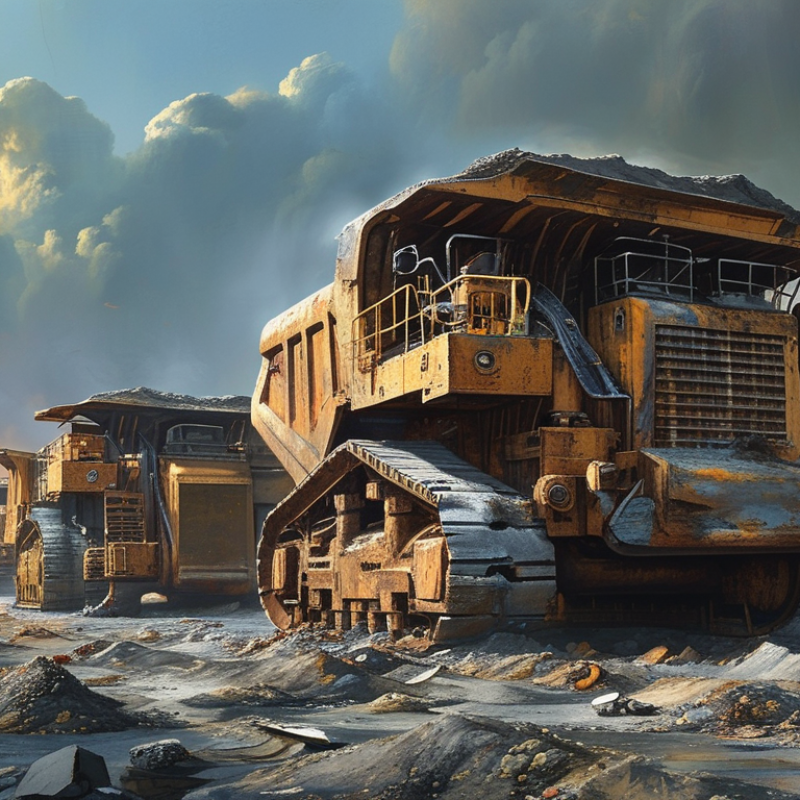
Why Choose Wear Plates for Enhanced Durability in Industries?

Benefits of Wear Plates in Industrial Applications

Wear plates play a crucial role in enhancing durability across various industrial sectors. These specialized materials are designed to withstand abrasive wear, prolonging the life of machinery and infrastructure. Industries such as mining, construction, and manufacturing heavily rely on wear plates for their operational efficiency. The high resistance to impact and abrasion makes them an ideal choice.

Implementing wear plates can reduce maintenance costs significantly. By protecting equipment from premature wear, companies avoid expensive downtime. Additionally, the ease of installation allows for quick replacement, minimizing disruption. However, choosing the right material requires careful consideration. Not all wear plates are created equal, and misjudgment can lead to subpar performance.

In specific applications, such as conveyor systems or chutes, wear plates can prevent material loss and enhance safety. Their effectiveness lies in their tailored designs, addressing unique wear patterns and environmental factors. Still, it’s essential to analyze the operational conditions thoroughly. Overlooked details can lead to inadequate protection and unexpected failures. Ultimately, while wear plates offer many benefits, discernment in selection is paramount for achieving desired outcomes.

Why Choose Wear Plates for Enhanced Durability in Industries? - Benefits of Wear Plates in Industrial Applications

Industry Wear Plate Material Key Benefits Typical Applications
Mining High Chrominum Steel Resistant to abrasion and impact. Crusher Liners, Chutes
Construction AR400 Steel High strength and excellent wear resistance. Excavators, Loaders
Agriculture Tungsten Carbide Overlay Long-lasting durability against soil erosion. Plows, Harrows
Heavy Machinery Bimetallic Wear Plates Combines toughness and wear resistance. Dump Trucks, Shovels
Forestry Hardox Steel Excellent cut and wear resistance. Log Splitters, Chippers

Types of Materials Used for Wear Plates

Wear plates play a crucial role in extending the lifespan of equipment across various industries. The materials used for these plates vary significantly, impacting their effectiveness and durability. Common materials include steel, ceramic, and polyurethane. Each material has unique properties suited for different applications.

Steel wear plates are robust and cost-effective. They offer excellent wear resistance, making them ideal for heavy-duty environments. Ceramic wear plates, on the other hand, excel in situations involving high temperatures and abrasion. They provide superior hardness, although they are more fragile. Polyurethane wear plates offer flexibility and shock absorption, making them perfect for lightly loaded applications.

Tips: Consider the specific demands of your industry when choosing a material. Think about temperature, load, and abrasion levels. This decision can greatly influence operational efficiency. Regular maintenance is another key factor. Inspect wear plates frequently to catch any issues early. This practice can help in avoiding unexpected shutdowns and costly repairs. Remember, the right material choice supports long-term performance but requires mindful upkeep.

Why Choose Wear Plates for Enhanced Durability in Industries?

How Wear Plates Enhance Equipment Longevity

Wear plates serve a crucial role in industries where equipment faces harsh conditions. These plates are designed to absorb impacts and resist abrasion. They are made from materials like steel, ceramics, or composites. Their purpose is clear: to protect underlying machinery. This protection leads to equipment longevity, which is essential for operational efficiency.

When machinery operates with wear plates, the wear is distributed evenly. This means less frequent maintenance is needed. Machines can run longer without unexpected downtime. Industries benefit from a significant reduction in repair costs. However, choosing the right material and thickness requires careful consideration. Not all wear plates fit every scenario. Overestimating needs can lead to wasted resources.

A variety of wear plates exist, each with specific benefits. Some are designed for high-temperature resistance, while others excel in corrosive environments. Poor choices can lead to premature failure. Despite their advantages, wear plates require regular assessments. Monitoring their condition ensures optimal performance. Without attention, even the best choices may fall short of expectations.

Installation and Maintenance of Wear Plates

Wear plates play a crucial role in various industries, enhancing the durability of machinery and reducing wear and tear. Proper installation is key to maximizing their benefits. Ensure that surfaces are clean and free from debris. This allows for a tight and secure fit. Using correct fastening techniques is essential. Over-tightening can cause damage, while under-tightening may lead to loosening. A well-executed installation not only ensures longevity but also enhances efficiency.

Maintenance of wear plates is also vital. Regular inspections can identify wear patterns early. Look for signs of abrasion, cracks, or detachment. In some cases, minor repairs can extend their life. However, when wear plates reach a critical state, timely replacement is necessary. Documenting wear patterns helps track performance and anticipate replacements. Sharing insights within the team can lead to better practices and improved operational standards. Attention to these details is where durability and performance intersect.

Cost-effectiveness of Wear Plates in Industry

Wear plates play a significant role in enhancing cost-effectiveness within various industries. These plates are designed to withstand extreme wear and tear. This durability often translates into lower maintenance costs over time. When machinery operates efficiently, profits can increase. Manufacturing downtime is minimized, which can save companies money.

However, wear plates can cost more upfront. Deciding whether to invest can be challenging. Some companies might hesitate, considering cheaper alternatives. Yet, these alternatives usually wear out faster. Regular replacements lead to higher long-term expenses. The economics often favor wear plates, especially in high-impact environments.

Moreover, using wear plates can also improve safety. Reduced machinery failure means fewer accidents. Employees can work in safer conditions. This focus on safety can enhance a company's reputation. It also reinforces the idea of reliability in operations. The decision to select wear plates involves both immediate costs and future implications. It is a reflection of a company's commitment to quality and efficiency.

FAQS

: What are wear plates used for?

: Wear plates extend equipment lifespan and reduce wear across various industries.

What materials are commonly used for wear plates?

Common materials include steel, ceramic, and polyurethane, each with unique properties.

Why should I choose steel wear plates?

Steel plates are robust, cost-effective, and ideal for heavy-duty environments due to their wear resistance.

When is it better to use ceramic wear plates?

Ceramic plates excel in high-temperature and abrasion situations, offering superior hardness but are more fragile.

What are the benefits of polyurethane wear plates?

Polyurethane plates provide flexibility and shock absorption, making them suitable for lightly loaded applications.

How can I ensure the proper installation of wear plates?

Clean surfaces to eliminate debris and use correct fastening techniques to achieve a secure fit.

What maintenance practices should I follow for wear plates?

Regular inspections for wear patterns and signs of damage are crucial for timely repairs or replacements.

Are wear plates cost-effective?

While they may be more expensive upfront, wear plates can reduce maintenance costs and downtime in the long run.

Can wear plates improve safety in the workplace?

Yes, reducing machinery failure lowers the risk of accidents, creating a safer work environment.

What should I consider when choosing wear plates?

Think about your industry demands, including temperature, load, abrasion levels, and maintenance requirements.

Conclusion

Wear plates are essential components in various industrial applications, offering numerous benefits that enhance durability and equipment performance. By utilizing different materials such as steel, rubber, and ceramic, wear plates provide robust protection against abrasion and impact, significantly extending the longevity of machinery. Their effective design allows for easy installation and maintenance, ensuring minimal downtime and operational efficiency.

Moreover, the cost-effectiveness of wear plates cannot be overlooked; they reduce the need for frequent repairs and replacements, ultimately leading to significant savings for industries. In summary, incorporating wear plates into industrial equipment not only improves resilience against wear and tear but also contributes to overall productivity and operational cost savings.


Aria

Aria

Aria is a dedicated marketing professional with a deep passion for innovative strategies and a keen understanding of our company's product offerings. With a wealth of experience in the industry, Aria excels at crafting engaging content that highlights the unique features and benefits of our......