Indoor air quality is a growing concern in today's world. According to the U.S. Environmental Protection Agency, indoor air can be up to five times more polluted than outdoor air. A reliable air filter can significantly improve this situation. It captures dust, allergens, and harmful particles, providing cleaner air for your home.
The World Health Organization reports that poor air quality contributes to millions of premature deaths annually. Using an air filter can help mitigate these risks. Many experts recommend high-efficiency particulate air (HEPA) filters for their ability to trap at least 99.97% of particles. Choosing a quality air filter can lead to noticeable improvements in health and well-being.
Yet, not all air filters are created equal. It's crucial to understand specifications and maintenance requirements. An overlooked air filter may become a breeding ground for mold and bacteria. Regularly changing filters ensures maximum efficiency and safety, making it essential for long-term indoor air quality solutions.
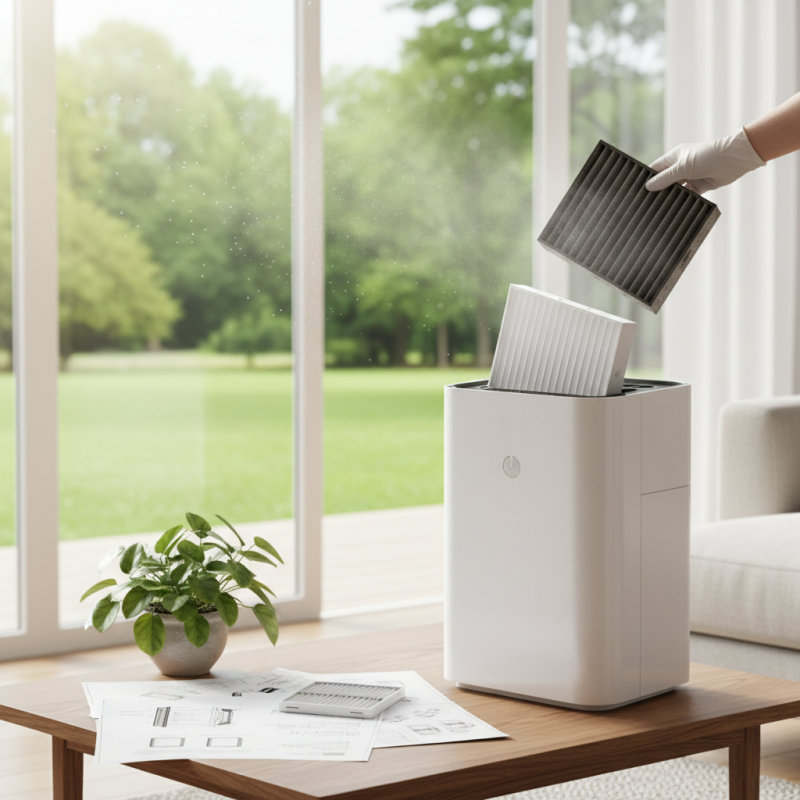
Indoor air quality (IAQ) is often overlooked. Many people spend up to 90% of their time indoors. Poor IAQ can lead to various health issues, including respiratory problems and allergies. According to the Environmental Protection Agency (EPA), indoor air pollution can be worse than outdoor pollution, with concentrations of some pollutants being two to five times higher inside.
Understanding the importance of IAQ is vital. It affects not just comfort but also productivity and health. A study from the Harvard T.H. Chan School of Public Health revealed that better indoor air quality can improve cognitive function. Employees exposed to clean air performed better on cognitive tasks. This correlation highlights the need for an effective air filtration system.
Airborne particles and volatile organic compounds (VOCs) are common in many homes. They can originate from cleaning products, furniture, and building materials. These pollutants often go unnoticed yet significantly impact well-being. According to the World Health Organization, around 3.8 million people die each year from indoor air pollution. Addressing IAQ must become a priority. It requires more than simple ventilation; it needs robust air filtration.
This chart illustrates the average indoor levels of common pollutants that affect indoor air quality. Maintaining low levels of these pollutants is crucial for health and well-being, as poor indoor air quality can lead to various health issues.
Indoor air quality is significantly affected by various pollutants that often go unnoticed. According to the Environmental Protection Agency (EPA), indoor air can be two to five times more polluted than outdoor air. Common indoor air pollutants include volatile organic compounds (VOCs), particulate matter, and biological contaminants. VOCs can emanate from household products, such as paints and cleaning solutions, leading to headaches and respiratory irritation.
Particulate matter, often generated from cooking or heating, can penetrate deep into the lungs. The American Lung Association notes that these particles are especially harmful to individuals with pre-existing health conditions. Additionally, mold and dust mites contribute to indoor allergies. The World Health Organization suggests improving ventilation and using air filters to help reduce exposure to these pollutants.
Addressing indoor air pollution requires awareness and action. Many individuals may overlook pollutants from everyday activities, leading to long-term health issues. Air filters can significantly decrease the concentration of these harmful substances. Considering the presence of pollutants in everyday life, investing in air filtration is essential for maintaining a healthier indoor environment.
Air filters play a crucial role in maintaining indoor air quality. They capture dust, pollen, and allergens, ensuring the air we breathe is clean. People often overlook how indoor air can be more polluted than outdoor air. Improving air quality can significantly enhance overall health and well-being.
When using air filters, you might notice fewer allergy symptoms. Clean air can lead to better sleep and increased productivity. Breathing easier will enhance your comfort at home. This is particularly important in spaces where children or the elderly spend time. Air filters can also help reduce odors from cooking or pets.
Tips: Regularly replace air filters. A clogged filter can perform poorly and circulate dust. Consider the size and type of filter suitable for your space. Not all filters are alike; some may be better for specific pollutants. Assess your home’s unique air quality needs. You might find hidden sources of pollution. Be proactive in your health choices; better air leads to a healthier life.
| Aspect | Details |
|---|---|
| Health Benefits | Reduces allergens such as dust, pollen, and pet dander, helping to improve respiratory health. |
| Odor Removal | Helps eliminate unpleasant odors from cooking, pets, and smoke, enhancing overall comfort. |
| Air Purity | Improves air quality by filtering out harmful pollutants such as mold spores and volatile organic compounds (VOCs). |
| Energy Efficiency | Ensures HVAC systems operate more efficiently, potentially lowering energy bills. |
| Comfort Control | Maintains a stable indoor environment, reducing heat and humidity levels. |
| User Friendly | Many air filters are easy to install and maintain, ensuring consistent performance. |
Indoor air quality is a vital aspect of health. Air filters play a crucial role in maintaining this quality. Various types of air filters are available, each with different effectiveness levels. High-Efficiency Particulate Air (HEPA) filters capture at least 99.97% of particles that are 0.3 micrometers or larger. This capability is essential, particularly in reducing allergens like dust, pollen, and pet dander.
Electrostatic filters are another option. They trap particles through an electric charge. While they can be effective, their maintenance and longevity can vary significantly. Industry reports suggest that over time, these filters may lose efficiency if not cleaned or replaced regularly.
Pleated filters offer a larger surface area, improving their ability to catch particles. However, they may also restrict airflow if not checked frequently.
Choosing the correct air filter involves weighing these factors. The American Lung Association recommends periodic testing of indoor air quality to determine specific needs. Relying solely on one filter type may not be enough to address all air quality issues. Regular monitoring is crucial. Each type has its pros and cons, and not every option is suitable for every environment.
When selecting an air filter for your indoor air quality needs, several factors warrant your attention. The filter's efficiency rating, namely the MERV (Minimum Efficiency Reporting Value), plays a crucial role. Filters with a MERV rating between 8-12 can capture about 80% of particles in the air, including mold spores and pet dander. However, higher-rated filters may restrict airflow, which can strain HVAC systems. Finding the right balance is essential.
Consider the specific pollutants present in your indoor environment. According to the Environmental Protection Agency (EPA), indoor air can be two to five times more polluted than outdoor air. If allergens or smoke are prevalent, opting for HEPA filters is advisable. These filters remove 99.97% of particles down to 0.3 microns. They are effective yet may require frequent replacements.
It’s important to factor in maintenance as well. Dirty filters can exacerbate indoor air quality issues. Research shows that neglected filters can reduce HVAC efficiency by up to 15%. Regularly changing your air filter not only improves air quality but also ensures your heating and cooling systems run efficiently. Sometimes, the simplest solution has the greatest impact. Choosing an air filter involves careful consideration of efficacy and practical maintenance needs.
Q)?
Poor IAQ can lead to health issues like respiratory problems and allergies. It may also impact productivity.
Indoor pollutants can be two to five times higher than those outside. Sources include cleaning products and furniture.
Clean air can reduce allergy symptoms, improve sleep, and boost productivity. It enhances overall comfort.
Air filters capture dust, pollen, and allergens. They ensure cleaner air for breathing and better health.
Regular replacement is crucial. Clogged filters can circulate dust and reduce efficiency.
Types include HEPA, electrostatic, and pleated filters. Each has different effectiveness levels and maintenance needs.
No, effectiveness varies. HEPA filters are better for allergens, while others may have different advantages and limitations.
Periodic testing can help identify specific pollutants and choose the right filters. Regular monitoring is essential.
Relying on one filter may not address all IAQ issues. A combination may be needed for better results.
Indoor air quality is crucial for maintaining a healthy living environment, as poor air quality can lead to various health issues. Common indoor pollutants, such as dust, mold, and volatile organic compounds, often originate from everyday activities and household items. To combat these pollutants, using an air filter can significantly improve indoor air quality, providing benefits like reduced allergy symptoms and improved overall comfort.
When selecting an air filter, it’s essential to understand the different types available and their respective effectiveness at capturing specific pollutants. Factors such as filter maintenance, efficiency ratings, and the size of the space should be considered to ensure the best choice for your needs. Ultimately, investing in an appropriate air filter can enhance your health and well-being, making it an important consideration for any indoor setting.

WEST INDUSTRY