In modern agriculture, efficiency is crucial for maximizing yields and reducing costs. The right Sprayer Parts can significantly impact the effectiveness of agricultural practices. Farmers rely on advanced equipment to manage crops, control pests, and ensure optimal growth. Quality sprayer components play a central role in achieving these goals.
Choosing the best Sprayer Parts involves understanding specific needs and challenges. Not all components are created equal, and farmers must evaluate options based on their unique circumstances. Compatibility and durability are key factors that contribute to operational success. Effective sprayers can save time and resources. However, improper selections can lead to frustration and wasted investments.
Investing in high-quality Sprayer Parts fosters reliability in the field. Experienced professionals emphasize the importance of precise equipment for sustainable practices. It is essential to stay informed about advancements in technology and innovations in agriculture. This knowledge empowers farmers to make better decisions, ensuring that their sprayers perform at peak efficiency.
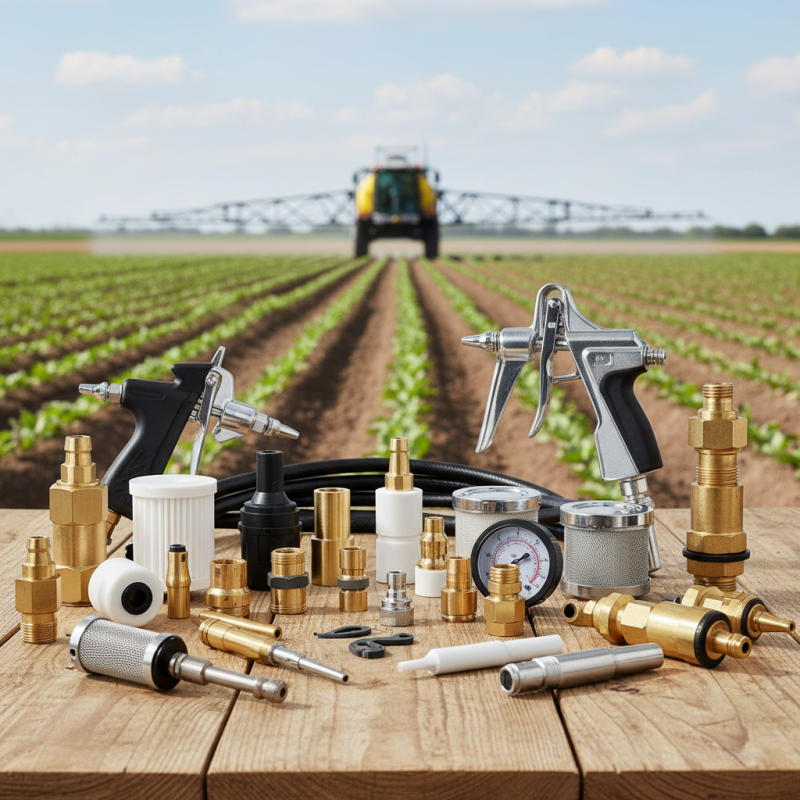
Overview of Agricultural Sprayer Parts and Their Functions
Agricultural sprayer parts play a critical role in enhancing efficiency and optimizing crop protection. Understanding these components is essential for farmers aiming to maximize their yields. The main parts include pumps, nozzles, tanks, and pressure regulators. Each of these components works cooperatively to ensure an even distribution of chemicals.
The pump generates the necessary pressure to spray the liquid effectively. Selecting the right pump type based on crop requirements is vital.
Nozzles are equally important as they control droplet size and spray pattern. Farmers often underestimate how nozzle selection affects coverage. Tanks hold the spray solution, and they need regular cleaning to prevent contamination.
Pressure regulators maintain consistent spray pressure, which is crucial for effective application. Farmers often overlook the significance of monitoring pressure levels. Proper maintenance of these parts is essential for long-lasting performance. Regular checks can prevent costly breakdowns. However, not all components are easily accessible or user-friendly, leading to frustration during repairs. Understanding the intricate functions of these parts is key, but it often requires continuous learning and adjustment in practices.
Key Factors to Consider When Selecting Sprayer Parts
Selecting the right sprayer parts is crucial for effective agricultural solutions. Consider compatibility with your sprayer model. Each part must work seamlessly with others to enhance performance. Using mismatched components can lead to inefficiencies and increased maintenance costs.
Tips: Always check the specifications before purchasing. Investing in quality parts often pays off in the long run.
Durability is another key factor. Sprayer parts face harsh environments, including chemicals and varying weather conditions. High-quality materials resist wear and tear, ensuring longer service life. However, some parts may show signs of wear faster than expected. Regular inspections can prevent unexpected downtimes.
Tips: Keep a maintenance log. Monitoring part performance helps identify trends and the need for replacement.
Finally, consider availability. Parts should be easy to source when needed. Limited access to essential components can disrupt operations significantly. Research local suppliers or online marketplaces for reliable options. Flexibility in sourcing can save time and reduce stress during peak seasons.
Tips: Establish relationships with suppliers. They can offer insights on trending parts and efficiency improvements.
Top Brands and Models for Efficient Agricultural Sprayers
When selecting sprayer parts, understanding the brands and models available is crucial. Some top brands lead the market, presenting innovative solutions. According to recent industry statistics, over 30% of agricultural operations now prioritize efficient sprayers for crop treatment. High-efficiency nozzle types increase the precision of application, thereby reducing waste and promoting better crop health.
Durability is a vital factor in sprayer components. Factors like material quality and weather resistance can impact performance. Farmers often face challenges with wear and tear, even with reputable models. Research indicates that using the right replacement parts can prolong the life of a sprayer by up to 25%. Proper maintenance is equally essential. Many users overlook regular checks, which can lead to decreased efficiency and increased costs.
Efficiency is not just about machinery. Training personnel on optimal usage also matters. Studies reveal that farms investing in staff training see a noticeable improvement in application rates. Data shows that 40% of users are unaware of the latest advancements in spray technology. Awareness and education are critical for maximizing potential.
Best Sprayer Parts for Efficient Agricultural Solutions
| Part Type |
Functionality |
Material |
Compatible Models |
Average Price ($) |
| Nozzle |
Spraying liquids |
Plastic |
Model A, Model B |
15 |
| Pump |
Liquid delivery |
Aluminum |
Model C, Model D |
250 |
| Hose |
Fluid transmission |
Rubber |
Model E, Model F |
30 |
| Filter |
Debris prevention |
Stainless steel |
Model G, Model H |
45 |
| Tank |
Liquid storage |
Polyethylene |
Model I, Model J |
120 |
Maintenance Tips for Enhancing Sprayer Performance
Maintaining sprayer efficiency is crucial for successful agricultural practices. Regularly inspect components like hoses, nozzles, and filters. Clogged filters can reduce flow and increase pressure. It is essential to clean them often. Using proper tools for cleaning can extend the life of these parts.
Ignoring small issues can lead to bigger problems. For instance, a worn-out nozzle does not deliver uniform spray patterns. Operators should know when to replace these parts. Adjusting pressure settings can also make a significant difference. It’s not just about replacing parts; it's about understanding their function.
Weather can also affect sprayer performance. Rain and humidity can lead to corrosion, impacting efficiency. Store sprayers in dry spaces when not in use. Regular maintenance routines should include checking for leaks and wear. This commitment to upkeep can save money in the long run and ensure effective crop management.
Innovative Technologies in Sprayer Parts for Modern Agriculture
In modern agriculture, the adoption of innovative technologies in sprayer parts is crucial for enhancing efficiency. Precision agriculture is on the rise, with a report noting that farmers using precision applications can increase yield by up to 15%. This data highlights the growing importance of advanced sprayer systems. Components like variable rate nozzles and automatic control systems are now common. They help optimize input application, reducing waste and costs.
Research indicates that sprayer technologies can lead to up to 30% less chemical usage while maintaining effectiveness. Integrating sensors and GPS technology into sprayers allows for targeted application. However, the complexity of these innovations can pose challenges. Farmers must invest in training and maintenance. A lack of technical support can hinder their effective use. This creates a gap that requires attention.
Furthermore, real-time monitoring tools are essential for understanding performance. Analytics from sprayer data can improve decision-making. Yet, many farmers struggle with data interpretation. They might miss opportunities for improvement. Innovating in sprayer parts signifies a shift towards sustainability. Nonetheless, understanding and embracing these technologies is an ongoing process fraught with obstacles.
Conclusion
In modern agriculture, selecting the right sprayer parts is crucial for achieving efficient performance and optimal results. Understanding the various components of agricultural sprayers and their specific functions is essential. Key factors such as compatibility, durability, and efficiency should guide farmers in choosing the appropriate parts. Maintenance also plays a significant role; regular checks and proper care can significantly enhance the sprayer's performance and longevity.
Additionally, innovative technologies in sprayer parts are revolutionizing agricultural practices, offering more precision and efficiency. By adopting the latest advancements, farmers can improve their spraying techniques, ultimately leading to better crop yields. Emphasizing thoughtful selection and maintenance of sprayer parts can ensure that agricultural operations run smoothly and effectively.

 WEST INDUSTRY