Scorched Brake Pads are a common issue for many vehicle owners. These pads can dramatically decrease braking efficiency. According to a recent industry report, nearly 30% of vehicles on the road experience brake fade because of overheating. This overheating can lead to scorched brake pads, affecting safety and performance.
Experts suggest regular maintenance to prevent this problem. Most drivers overlook brake pad inspection until it is too late. Scorched Brake Pads can result from excessive heat buildup during braking, often due to aggressive driving or worn-out components. It’s essential to monitor your braking system constantly. A professional assessment can prevent further damage and costly repairs.
Addressing scorched brake pads requires understanding their root causes. Sometimes, aftermarket pads may not offer the necessary performance for specific driving conditions. Exploring various solutions can enhance safety and vehicle performance significantly. By choosing quality brake pads and maintaining them properly, drivers can ensure their vehicles remain both safe and reliable.
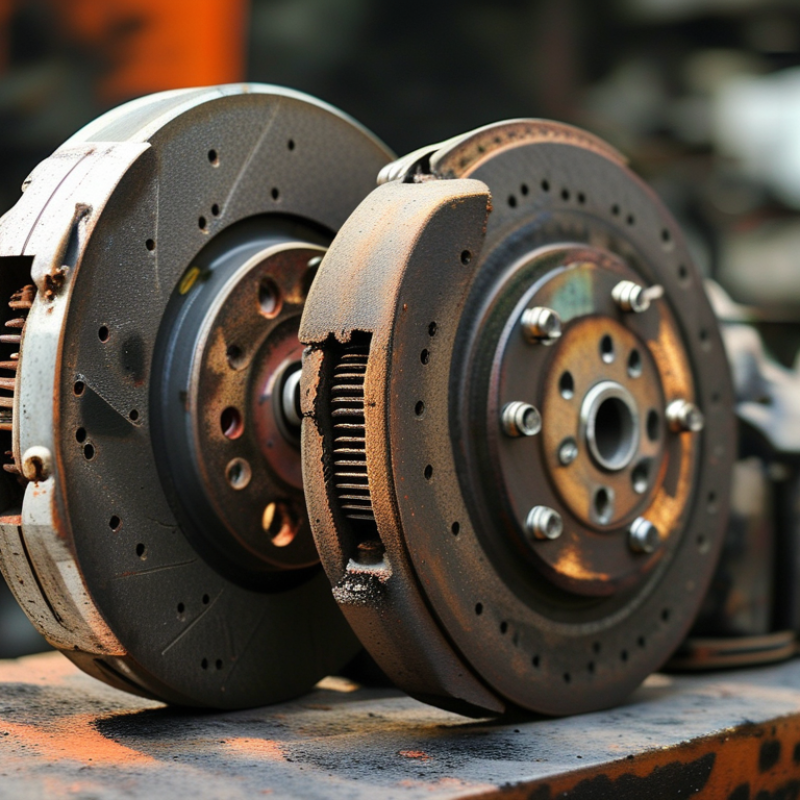
Scorched brake pads are a critical issue for vehicle safety. High temperatures often cause this condition. Reports indicate that overheating can reduce brake pad lifespan by up to 50%. This occurs when friction generates excessive heat, leading to reduced effectiveness.
Several factors contribute to scorched brake pads. One key cause is prolonged braking, especially during downhill descents. Another factor is the quality of brake materials. Lower-quality pads heat faster and wear out quickly. Industry studies show that using premium-grade pads can significantly improve longevity.
Vehicle owners may not notice the initial signs of scorching. However, symptoms can escalate to increased stopping distances or brake fading. Regular inspections and using high-quality components can mitigate risks. A reactive approach can lead to costly repairs and dangerous driving conditions. Therefore, awareness and proactive maintenance are essential.
Recognizing symptoms of scorched brake pads is crucial for vehicle safety. Drivers should be vigilant about specific indicators. A burning smell often points to overheating brake pads. This is a common symptom, occurring when excessive heat alters the pad material. A study by the Society of Automotive Engineers indicates that frequent hard braking can elevate brake pad temperatures to critical levels, leading to performance issues.
Another noticeable sign is reduced braking efficiency. If you feel your vehicle takes longer to stop, this could be due to pad deterioration. A report from the National Highway Traffic Safety Administration highlights that poorly maintained brake systems contribute to 25% of road accidents. Unusual sounds like squeaking or grinding also signal worn pads. Many drivers overlook these noises, only addressing them when performance declines.
Visual inspections can reveal further issues. If your brake pads appear discolored or unevenly worn, it’s time to take action. Scorched pads might show a glazed surface. This means they have been overheated and need replacing. Addressing these symptoms promptly can prevent costly repairs or accidents, emphasizing the importance of regular brake maintenance in vehicle safety.
When dealing with scorched brake pads, choosing the right repair solution is critical. Scorched pads can lead to significant safety risks. Typical signs of scorched brake pads include a burning smell and reduced braking effectiveness. According to the National Highway Traffic Safety Administration (NHTSA), nearly 25% of vehicle accidents stem from brake failures.
One effective approach is to assess the condition of your brake system. A study by the Brake Manufacturers Council emphasizes that routine inspections can prevent severe damage. If the pads show signs of scorching, replacement is often necessary. Using pads composed of higher-quality materials can further mitigate overheating issues.
In some cases, resurfacing the rotors may help. However, it’s not always advisable. Resurfacing can sometimes lead to additional problems if rotors are too thin. Careful evaluation by a certified technician is essential. They can provide insights based on their experience and knowledge of your vehicle's specific needs. Always prioritize quality repairs to maintain your vehicle's safety and performance.
Brake pad scorching is a common issue faced by many vehicle owners. This condition occurs when the brake pads overheat, causing them to become less effective. Research indicates that improper installation and poor quality materials can lead to this problem. According to a study conducted by the Institute of Automotive Engineering, around 30% of brake system failures are due to worn or damaged pads.
To prevent brake pad scorching, proper maintenance is essential. Regularly inspecting brake components can help identify issues before they worsen. Ensuring that the calipers are functioning well can enhance heat dissipation. Additionally, using quality pads that match your vehicle's specifications is crucial. A misleading perception is that all pads can perform equally. The truth is, not all materials are suitable for every driving style.
Driving conditions also significantly affect brake performance. Frequent stop-and-go traffic, for example, generates excessive heat. This results in rapid wear on the brake pads. Keeping your braking system cool is vital. Simple measures like avoiding heavy loads can help reduce strain. Monitor your pads closely and consider professional advice when needed. Remember, investing time in preventive actions can save money in the long run.
| Solution Type | Description | Preventive Measures | Effectiveness |
|---|---|---|---|
| Ceramic Brake Pads | Low dust and reduced noise, improving braking efficiency. | Regular inspections and replacing worn pads. | High |
| Semi-Metallic Brake Pads | Better heat dissipation, suitable for high performance. | Monitor brake usage and avoid overheating. | Medium |
| Organic Brake Pads | Environmentally friendly, quiet operation. | Use moderate braking and avoid heavy loads. | Low |
| Brake Pad Shims | Reduces noise and vibration during braking. | Ensure proper installation and maintenance. | High |
| Brake Fluid Maintenance | Keeps brake system functioning properly and reduces moisture build-up. | Regularly check and replace brake fluid. | Critical |
When selecting brake pads, understanding their impact on performance and longevity is crucial. Quality brake pads enhance vehicle safety and driving comfort. However, the market offers various options that can complicate your decision.
**Tips:** Evaluate your driving habits. If you often drive in heavy traffic, consider pads designed to withstand higher temperatures. This choice can significantly reduce the risk of brake fade.
Material choice matters too. Organic pads are quieter, but they wear faster. Metallic options may last longer, yet they can create more noise. Assess what fits your needs best. Sometimes, striking a balance between noise and longevity can be challenging.
Be mindful of installation. Even the best pads won't perform well if not installed correctly. Ensure a qualified professional handles the installation. Aftermarket parts can vary widely, so look for reviews and feedback on specific options. Take your time to research before deciding. Your safety depends on it.
This chart illustrates the key characteristics of brake pads that enhance performance and longevity. The scores indicate an evaluation of each aspect based on real-world performance metrics.
: Scorched brake pads occur when excessive heat reduces their effectiveness. This can compromise vehicle safety.
Prolonged braking, low-quality materials, and harsh driving conditions contribute to overheating.
Look for a burning smell, reduced stopping power, and unusual sounds like squeaking.
Early detection can prevent costly repairs and accidents, ensuring better vehicle safety.
Regular inspections, using high-quality pads, and maintaining a proper braking technique help prolong their life.
Organic pads are quieter but wear out faster. Metallic pads last longer but can be noisier.
Yes, improper installation can lead to decreased effectiveness, even with high-quality pads.
Yes, frequent hard braking and driving in heavy traffic can wear pads more quickly.
Discoloration or uneven wear on pads can indicate scorching that needs immediate attention.
Different options vary in performance and durability, impacting your safety and vehicle's effectiveness.
Scorched brake pads are a critical issue that can arise from excessive heat buildup during braking, leading to diminished performance and potential vehicle safety hazards. Understanding the causes of scorched brake pads, such as aggressive driving and poor-quality materials, is essential for vehicle maintenance. Symptoms may include squeaking, reduced stopping power, or a burning smell, which should not be ignored.
To address scorched brake pads effectively, various repair solutions are available, ranging from resurfacing to complete replacement. Additionally, implementing preventive measures, such as regular brake inspections and choosing high-quality brake pads, can significantly reduce the risk of scorching. By ensuring proper maintenance and selecting the right components, vehicle owners can enhance both performance and longevity of their braking system, safeguarding their safety on the road.

WEST INDUSTRY