In the ever-evolving world of trucking, a reliable Truck Engine Air Filter is essential for vehicle performance. These components filter contaminants from the air, ensuring optimal engine health. When selecting an air filter, it's important to consider features that enhance durability and efficiency.
The 2026 models showcase advanced filtration technologies. These innovations aim to increase airflow while trapping more dirt and debris. When an air filter does its job, engines run cleaner and last longer. However, not all filters are created equal.
Some drivers may overlook the importance of regular maintenance. A clogged filter can hinder performance and fuel efficiency. This oversight can lead to costly repairs over time. Investing in a high-quality Truck Engine Air Filter ultimately pays off. It ensures your vehicle remains reliable on the road, even in challenging conditions.
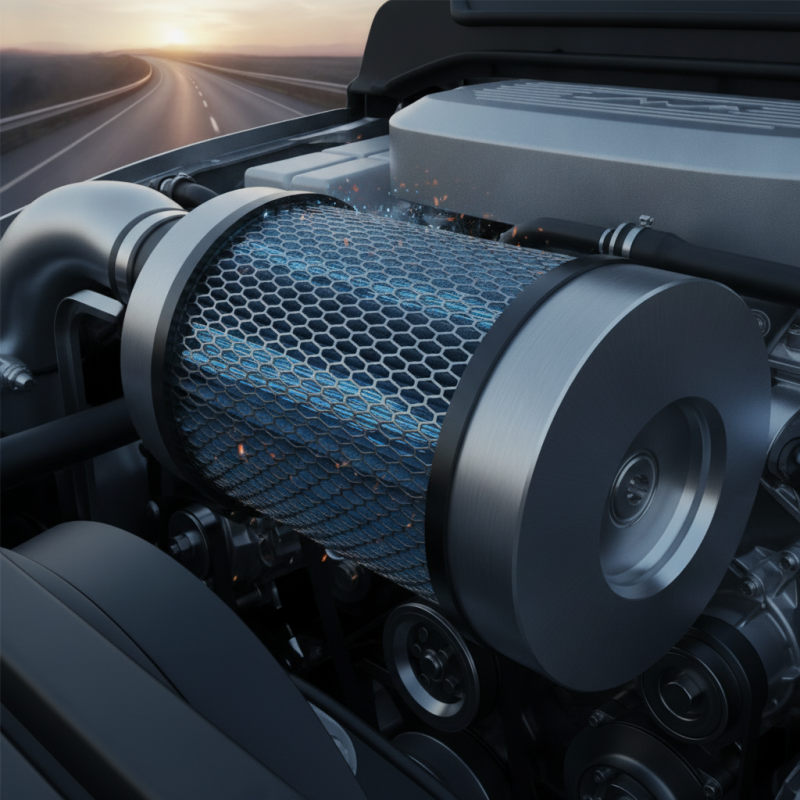
The 2026 truck engine air filters are designed with advanced features to improve vehicle performance. These filters focus on enhanced filtration capabilities. They capture finer particles, which helps in maintaining engine health. The materials used are engineered for durability and efficiency. Key features include rubber gaskets that ensure a snug fit. This design prevents dust and debris from entering the engine compartment.
Another notable aspect is the airflow optimization. A well-designed filter improves fuel efficiency. By allowing better air intake, the engine can perform more effectively. Some filters also come with a higher dirt-holding capacity, which means longer intervals between replacements. This offers both convenience and cost savings for fleet operators.
However, it’s crucial to regularly inspect and replace these filters as needed. Over time, even the best filters may underperform due to accumulated grime. A well-maintained filter ensures optimal airflow and engine protection. Choosing the right filter can significantly enhance performance, but the wrong choice can lead to issues. Regular checks and proactive maintenance can help maximize the benefits of modern truck engine air filters.
Airflow efficiency plays a crucial role in truck engine performance. A well-functioning air filter ensures optimal airflow to the engine. When the filter is clogged, it restricts the amount of air entering the engine. This leads to poor combustion and decreased power output. Truck owners need to be aware of this. Regularly inspecting and replacing the air filter can prevent these issues.
The design of air filters impacts their ability to maintain airflow. Advanced filtration technology allows for better particle capture while minimizing airflow resistance. An efficient air filter can enhance engine longevity and fuel efficiency. However, not all air filters are created equal. Some may offer better filtration but at the cost of airflow. It's important to weigh these options carefully.
In reality, many truck operators neglect the air filter until problems arise. This oversight can result in costly repairs and downtimes. Regular maintenance is essential, yet often overlooked. Reflecting on these practices is vital for ensuring the best performance. Investing in quality air filters aligned with airflow efficiency can make a significant difference.
When it comes to truck engine air filters, understanding the difference between HEPA and OEM filters is crucial. HEPA filters boast advanced filtration technologies. They can trap smaller particles effectively. This is significant for truck engines, where clean air is vital for performance. Dust, pollen, and pollutants can reduce engine efficiency. HEPA filters can capture up to 99.97% of these harmful particles.
On the other hand, OEM filters, designed specifically for certain truck models, offer reliable protection. They are built to meet the manufacturer's specifications. While OEM filters may not achieve HEPA's efficiency, their design ensures a good fit. This can reduce the risk of leaks and inefficiencies. However, some users might overlook the importance of regular maintenance. Neglecting this can lead to decreased engine performance.
Both filter types have unique benefits. Yet, the choice often boils down to specific needs. Drivers should consider their environmental conditions. Frequent off-road use may warrant a HEPA filter. In contrast, urban environments could benefit from OEM filters. Ultimately, understanding these options leads to better decision-making.
Upgrading to high-performance air filters can be a game-changer for truck engines. Studies indicate that better air filtration leads to improved engine efficiency. For instance, a recent industry report found that high-performance filters can boost horsepower by 5% to 10%. Enhanced airflow means your engine can breathe better, resulting in better fuel economy.
However, there is a cost to consider. Premium air filters typically cost 20% to 50% more than standard options. An analysis from a leading automotive research group indicates that the increased efficiency can offset this cost within six months to a year, depending on usage patterns. For a truck averaging 15,000 miles per year, savings in fuel consumption could reach hundreds of dollars annually.
Investing in high-performance air filters may not be justifiable for every fleet. Not all environments necessitate this upgrade. Fleet managers should evaluate filter replacement intervals and typical driving conditions. High dust or pollutant environments may warrant more frequent changes, while cleaner conditions might not benefit as much. It’s essential to reflect on whether the investment aligns with operational needs and environmental factors.
| Feature | Benefit | Cost-Effectiveness (1-10) | Maintenance Interval (Miles) |
|---|---|---|---|
| High Filtration Efficiency | Improved Engine Performance | 8 | 20,000 |
| Durable Material | Longer Lifespan | 9 | 30,000 |
| Easy Installation | Saves Time and Labor Costs | 7 | N/A |
| Increased Airflow | Enhanced Fuel Efficiency | 8 | 15,000 |
| Washable and Reusable | Reduces Replacement Costs | 9 | 50,000 |
A clean air filter plays a critical role in enhancing the fuel economy of trucks. According to the U.S. Department of Energy, a clogged air filter can reduce airflow to the engine. This can lower fuel efficiency by up to 10%. For a heavy-duty truck averaging 6 miles per gallon, this translates to a meaningful increase in fuel costs over time. Regular maintenance of air filters is essential for optimal engine performance.
Moreover, clean air filters significantly influence emissions. The Environmental Protection Agency (EPA) states that proper filtration can help reduce harmful emissions. This includes nitrogen oxides and particulate matter, which are detrimental to air quality. A clean air filter ensures that the engine operates efficiently, leading to less pollution. Trucks equipped with high-quality filters are more likely to meet stringent environmental standards.
Maintaining air filters is often overlooked, but neglect can lead to costly repairs. There's a balance between cost-saving and sustainability. A truck may operate on a dirty filter in the short term; however, the long-term effects on the engine can be severe. Drivers must be mindful that clean air filters contribute not only to better fuel economy but also to a cleaner environment. This dual advantage is crucial for the trucking industry's future.
: Airflow efficiency allows for optimal combustion, which enhances power output and overall engine performance.
A clogged air filter restricts airflow, leading to poor combustion and decreased power from the engine.
Regular inspection and replacement of the air filter are essential to avoid performance issues and costly repairs.
HEPA filters capture smaller particles more effectively, while OEM filters are designed for specific truck models to ensure a good fit.
No, some filters prioritize better filtration but may restrict airflow. It's important to evaluate options carefully.
Neglecting air filter maintenance can lead to costly repairs, decreased engine performance, and unnecessary downtime.
Yes, off-road conditions may require a HEPA filter, while urban environments might be better suited for OEM filters.
Advanced filtration technology improves particle capture while minimizing airflow resistance, promoting longevity and fuel efficiency.
HEPA filters can trap up to 99.97% of harmful particles, significantly improving engine efficiency.
Yes, regular reflection on maintenance habits can lead to improved truck performance and prevent future issues.
The article titled "2026 Top Truck Engine Air Filter Features and Benefits" provides a comprehensive overview of key features associated with truck engine air filters. It emphasizes the critical role of airflow efficiency in enhancing truck engine performance, highlighting how a well-functioning air filter can contribute to optimal engine operation. The discussion includes an exploration of advanced filtration technologies, comparing HEPA filters to OEM options, and offers insights into the cost-benefit analysis of upgrading to high-performance air filters.
Moreover, the article underscores the significant impact that clean truck engine air filters have on fuel economy and emissions. By ensuring that engines receive an adequate flow of clean air, these filters not only enhance performance but also support environmental sustainability. Overall, investing in high-quality truck engine air filters is presented as a valuable choice for truck owners looking to improve efficiency and reduce operational costs.

WEST INDUSTRY