Hydraulic System Parts rarely attract attention until a pump loses pressure, a hose leaks, or a machine stops mid-shift. Then the supplier matters. Buyers need components that fit, perform consistently, and arrive with clear specifications and support.
Market reports show why this supply chain deserves careful scrutiny. Grand View Research estimated the global hydraulic equipment market at about USD 43.6 billion in 2023 and projected continued growth through 2030. That figure covers equipment broadly, not parts alone, so it should not be treated as a direct measure of supplier quality. Still, it reflects sustained demand across construction, manufacturing, agriculture, and other sectors. The International Organization for Standardization’s ISO 4413 also sets safety requirements for hydraulic fluid power systems, underscoring the importance of sound design and component selection.
A ranking of the 10 best suppliers should look beyond catalog size. Material quality, pressure ratings, traceability, delivery reliability, technical documentation, and after-sales service all deserve attention. A polished product page is not proof of dependable performance. Neither is a low quote.
A named expert quotation should be verified against a reliable source before publication; none was provided for this introduction. That is a limitation worth stating, not disguising. This guide will compare suppliers using practical buyer criteria and available evidence, while noting where claims need confirmation. The best choice may depend on the machine, operating conditions, and replacement timeline. There is no universal winner.
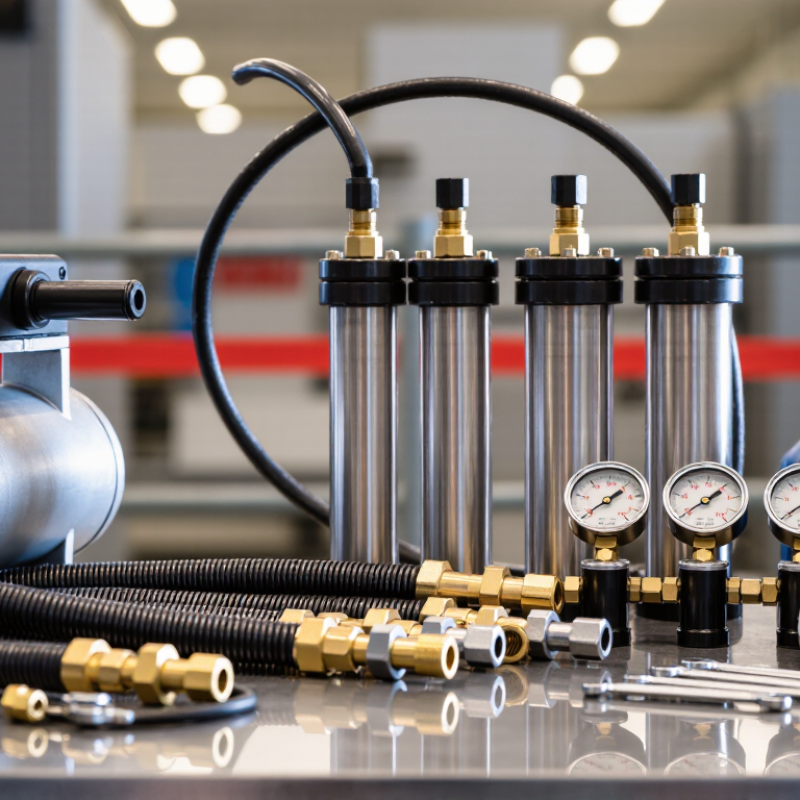
Hydraulic system parts suppliers provide the components that move, direct, and contain pressurized fluid. Their inventory may include pumps, motors, cylinders, directional and pressure-control valves, hoses, fittings, seals, filters, and manifolds. Some suppliers also machine replacement parts or assemble hose and valve packages to match a system drawing. A capable supplier checks operating pressure, flow rate, port size, fluid type, and temperature range before recommending a component. Small details matter. A fitting with the wrong thread can cause leaks, even when it appears to fit.
Suppliers may also provide technical drawings, material information, compatibility checks, inspection records, and guidance on installation or maintenance. For a repair, clear measurements and photos of the old part can help narrow down options; they do not replace verified specifications. Ask how components are tested and whether replacement parts meet the equipment’s stated requirements. Stock levels and lead times matter too, especially when a machine is already idle. Still, no catalog covers every configuration, and advice can be incomplete. Confirming the part number, dimensions, and pressure rating before ordering is a sensible final check.
This comparison covers ten common supplier specializations, not a ranked list of named companies. Product availability and specifications vary by supplier; confirm compatibility with the equipment design and operating conditions.
| Supplier specialization | Typical parts provided | Key selection data | Common applications | Useful standards or checks |
|---|---|---|---|---|
| Hydraulic pump suppliers | Gear, vane, and piston pumps; replacement cartridges and related drive components. | Displacement, flow rate, operating pressure, rotational speed, rotation direction, mounting, and fluid compatibility. | Mobile equipment, industrial machinery, machine tools, and hydraulic power units. | Check the equipment maker’s required flow, pressure, shaft, mounting, and port specifications. ISO 4413 covers general rules and safety requirements for hydraulic fluid power systems. |
| Hydraulic motor suppliers | Gear, vane, and piston motors; motor components and replacement units. | Displacement, speed range, torque, pressure limits, shaft configuration, mounting, and case-drain requirements where applicable. | Conveyors, winches, agricultural machinery, and mobile equipment drives. | Match the motor to the circuit’s flow and pressure limits, load, duty cycle, and required direction of rotation. |
| Hydraulic valve suppliers | Directional, pressure-control, and flow-control valves; solenoid valves, check valves, and valve sections. | Flow capacity, pressure rating, valve function, actuation method, port size, voltage for electrical coils, and mounting pattern. | Presses, lifting equipment, injection-molding machinery, and mobile hydraulic circuits. | Confirm circuit function and port connections against the hydraulic schematic. ISO 1219 provides graphical symbols and circuit diagrams for fluid power systems. |
| Hydraulic cylinder suppliers | Single-acting and double-acting cylinders, tie-rod and welded cylinders, pistons, rods, and repair parts. | Bore, rod diameter, stroke, retracted length, mounting style, operating pressure, and end connections. | Construction machinery, material handling, agricultural equipment, and industrial presses. | Verify mounting dimensions, stroke, load direction, rod alignment, and pressure rating against the machine design. |
| Hydraulic filtration suppliers | Pressure-line, return-line, and suction filters; filter elements, housings, and clogging indicators. | Flow capacity, pressure rating, filtration rating, element compatibility, bypass arrangement, and connection type. | Hydraulic power units, mobile machinery, and industrial fluid-power systems. | ISO 4406 is commonly used to report solid-particle contamination levels in hydraulic fluids. Select filtration to suit system cleanliness requirements and component sensitivity. |
| Accumulator suppliers | Bladder, piston, and diaphragm accumulators; charging valves and associated accessories. | Usable volume, maximum working pressure, pre-charge requirements, fluid compatibility, temperature range, and mounting. | Energy storage, pulsation damping, shock absorption, and emergency or peak-flow support. | Confirm the accumulator type and sizing with the system design. Safe installation, isolation, and maintenance are important because accumulators store pressurized energy. |
| Hydraulic hose and fitting suppliers | Hydraulic hoses, couplings, adapters, quick couplings, and assembled hose lines. | Inside diameter, working pressure, temperature range, fluid compatibility, bend radius, connection thread, and end-fitting orientation. | Mobile machinery, factory equipment, and systems with moving or flexible connections. | SAE J517 specifies requirements for several hydraulic hose types. Check the applicable hose type, fitting compatibility, pressure rating, and assembly requirements. |
| Hydraulic seal suppliers | Rod seals, piston seals, wipers, O-rings, backup rings, and seal kits. | Seal dimensions, material, pressure, temperature, fluid, speed, surface finish, and installation conditions. | Cylinders, pumps, valves, and other components where fluid leakage or contamination must be controlled. | ISO 3601 covers O-rings and related housing dimensions in applicable parts. Verify material and dimensions for the specific fluid and operating environment. |
| Reservoir and heat-exchanger suppliers | Hydraulic tanks, breathers, level indicators, oil coolers, and related accessories. | Reservoir capacity, mounting space, cooling duty, fluid flow, ambient conditions, connections, and contamination-control features. | Hydraulic power units, industrial machinery, and mobile systems with heat-management needs. | Check heat rejection needs, airflow or coolant conditions, tank layout, service access, and the system’s operating temperature range. |
| Hydraulic power-unit suppliers | Packaged assemblies that may include a reservoir, pump, motor, valves, filtration, and instrumentation. | Required flow and pressure, motor supply, duty cycle, control functions, fluid capacity, footprint, and environmental conditions. | Industrial presses, production lines, lifting systems, and specialized machinery. | Request a circuit diagram, component specifications, electrical details, and operating limits; verify that the package meets the machine’s safety and maintenance requirements. |
They may stock pumps, motors, cylinders, valves, hoses, fittings, seals, filters, and manifolds. Some also machine replacements or assemble custom packages.
Share operating pressure, flow rate, port size, fluid type, temperature range, and equipment requirements. Photos and measurements help, but verified specifications matter more.
Its thread type or size may not match the assembly. Small details matter.
Ask for material details, pressure ratings, batch traceability, dimensional inspection records, and pressure-test results. A polished catalogue is not proof.
They should ask about fluid, temperature, duty cycle, contamination, and peak pressure. If key details are missing, recommendations may be incomplete.
Compare its part number, dimensions, port threads, and pressure rating with your equipment records. Check the fit against the assembly drawing. Check twice.
Yes. Ask about pressure-drop data and operating limits. Correct sizing can support system efficiency, though broad pumping-energy figures do not describe every hydraulic component.
Review stock reliability, lead times, warranty terms, and procedures for failed parts. Fast delivery helps, but clear evidence matters more. Not always easy.
This article explores the role of Hydraulic System Parts suppliers and the wide range of components they provide, including pumps, valves, cylinders, filters, fittings, hoses, seals, and control accessories. It explains how these parts support power transmission, motion control, pressure management, and system reliability across different industrial applications. The discussion also presents practical criteria for assessing suppliers, such as product quality, material durability, manufacturing consistency, technical expertise, customization options, delivery capability, warranty policies, and customer support.
The article profiles ten notable types of suppliers without focusing on specific brand names, highlighting the ways their product ranges, engineering capabilities, production capacity, and service models may differ. It also explains how buyers can compare suppliers according to operating pressure, temperature, fluid compatibility, system design, maintenance requirements, budget, and expected service life. By matching supplier strengths with project demands, readers can make more informed decisions and select dependable Hydraulic System Parts for efficient, safe, and long-term system performance.

 WEST INDUSTRY